
Allantoma pluriflora
Allantoma pluriflora
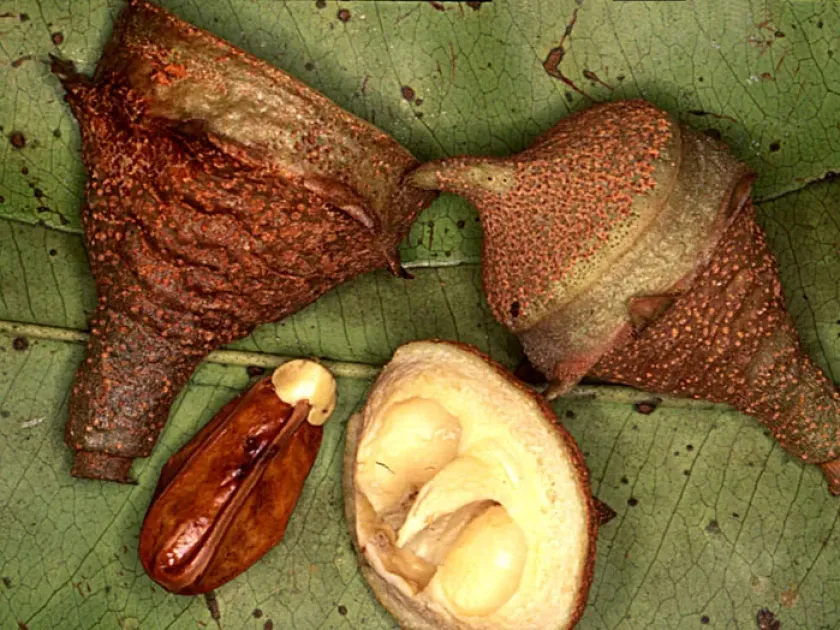
Description
Growing requirements
Allantoma pluriflora is a majestic tree species belonging to the Lecythidaceae family, primarily native to the Amazon rainforest region. This plant is well-adapted to the hot and humid climate of the tropical lowlands, where it grows as part of the primary canopy.
The cultivation of this species requires a stable tropical environment with high annual rainfall and consistent temperatures. It does not possess any significant tolerance to cold or frost, which limits its agricultural potential to equatorial regions.
Soil requirements are strictly defined by the need for high organic content and excellent aeration. While these trees thrive in forest environments, plantation-grown specimens require soils that are deep, well-draining, and slightly acidic to support massive root growth.
Agronomic practices for Allantoma pluriflora involve careful monitoring of seedling stages. Young trees require protection from intense wind and competition from fast-growing weeds, necessitating regular maintenance in the early stages of plantation development.
Plantation spacing is a critical factor for the long-term productivity of an Allantoma stand. Because these trees can attain substantial size, providing enough room for canopy development is essential to ensure uniform growth and prevent the spread of localized diseases.
Harvesting
The primary commercial value of Allantoma pluriflora lies in its high-quality, durable timber. It is highly regarded for its resistance to decay, making it a preferred material for heavy construction projects and specialized joinery applications.
Harvesting timber requires professional forestry management practices to ensure sustainability. Logs are felled after reaching biological maturity, which allows for maximum yield and optimal wood density for structural use.
The collection of fruits and seeds is an secondary activity, often involving manual labor. Seeds must be processed immediately after collection to prevent fungal growth, which is a common challenge due to the humid environment of the harvest area.
Drying is an essential post-harvest stage. Wood boards are typically air-dried or kiln-dried to reach the required moisture content before being distributed for manufacturing purposes, preventing warping and cracking.
Logistical management plays a key role in the harvest cycle. Because Allantoma grows in remote areas, establishing efficient transportation routes is necessary to move the harvested timber from the forest edge to primary processing facilities.