
Allantoma integrifolia
Allantoma integrifolia
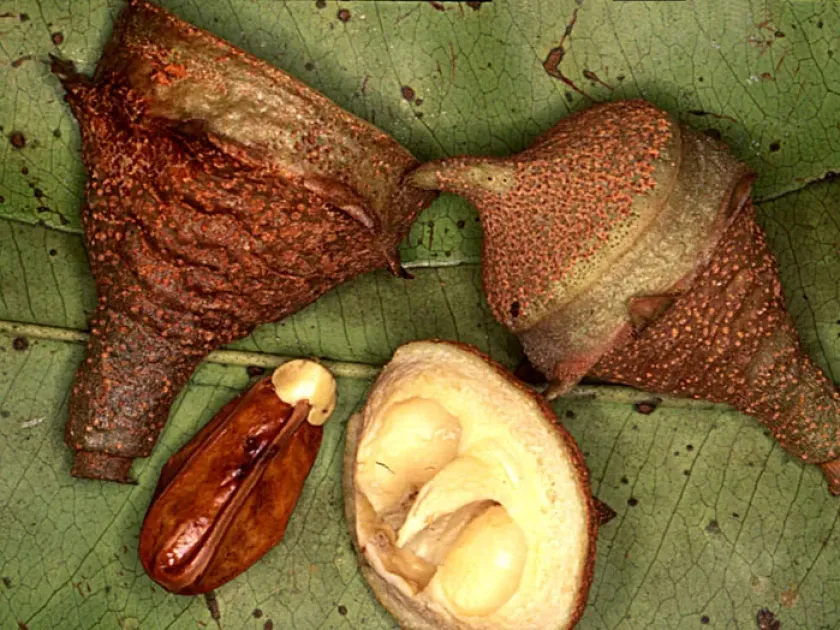
Description
Growing requirements
Allantoma integrifolia is a significant tree species belonging to the Lecythidaceae family. It is a tall canopy tree known for its structural role within the complex vegetation systems of tropical South American rainforests.
The native distribution of this species is centered primarily in the Amazon basin. It is specifically adapted to the várzea forests, which are seasonal floodplains characterized by periodic inundations that influence the species' life cycle.
Climate requirements include consistently high temperatures throughout the year and high relative humidity. The species is evolutionarily programmed to thrive in environments where thermal fluctuations are minimal and water availability is abundant.
Regarding soil conditions, Allantoma integrifolia thrives in nutrient-rich alluvial soils deposited by river systems. These soils provide the essential mineral supply and moisture retention capacity required for the tree to reach its maximum physical development.
Due to its specialized ecological niche, the tree requires undisturbed canopy conditions to establish successfully. It is not traditionally cultivated as a row crop but remains a vital component of managed agroforestry systems in its native range.
Harvesting
The primary economic utilization of Allantoma integrifolia is directed toward the timber industry. The wood is recognized for its durability and resistance to degradation when exposed to aquatic environments.
Historically and currently, the timber is sought after for maritime construction, particularly in the fabrication of traditional boats and riverside infrastructure. Its physical density makes it a preferred choice for heavy-duty applications.
Sustainable harvesting is a critical concern, as the species grows slowly in its dense forest habitat. Forestry management programs focus on rotational harvesting and the preservation of mother trees to ensure long-term population viability.
Secondary uses of the plant, including potential medicinal or nutritional properties of its seeds, are subjects of ongoing ethnographic studies. However, these remain subordinate to the dominant demand for its high-quality wood.
Modern harvest logistics in the Amazon region require careful planning to minimize impact on the surrounding delicate ecosystem. Processing typically involves on-site sawing or transportation via waterways to minimize soil compaction and mechanical damage.