
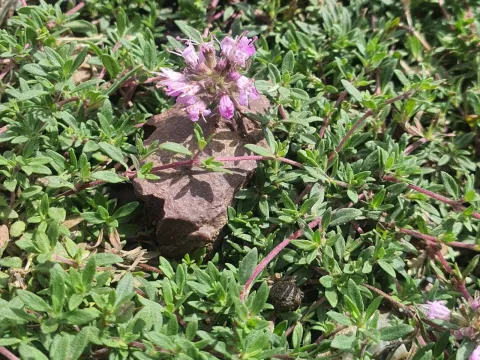
Mongolian thyme
Thymus mongolicus
Mongolian thyme, scientifically known as Thymus mongolicus, is a hardy perennial belonging to the Lamiaceae family. It is typically propagated through seeds sown in spring or by dividing mature clumps.
What the section contains
Mongolian thyme
Sowing in open fields should occur when soil temperatures consistently reach 10-12°C. Due to the very small size of the seeds, they are usually surface-sown or covered with a very thin layer of substrate.
During the germination phase, it is crucial to maintain moisture in the upper soil layer. Seedlings grow slowly initially, so protecting them from invasive weeds during the first weeks is essential.
For field cultivation, a spacing of 45-60 cm between rows is recommended to facilitate mechanical weeding and air circulation. Thinning the seedlings to a 20 cm distance helps them develop strong root systems.
Establishing a successful plantation requires careful site selection, avoiding areas prone to waterlogging where young thyme plants may perish during the initial growth stage.
This species is exceptionally well-adapted to arid and semi-arid climates, reflecting its origin in the harsh environments of Mongolia and Northern China. It exhibits high drought and cold tolerance.
Full sun exposure is a non-negotiable requirement for Thymus mongolicus. High light intensity is directly linked to the accumulation of secondary metabolites, including essential oils like thymol.
Well-drained, porous soils such as sandy loams or gravelly substrates are ideal. The crop performs poorly on heavy clay or acidic soils, which often lead to root rot and diminished plant vigor.
Minimal fertilization is required for this crop. Excessive nitrogen applications are discouraged as they lead to lush foliage that is more susceptible to pathogens and lower in concentration of therapeutic compounds.
The plant is highly resilient, surviving extreme winters with no special protection. Regular maintenance mainly involves keeping the area free of competing vegetation and ensuring adequate soil aeration.
The harvesting process takes place during the peak flowering period, typically mid-summer. This timing ensures that the concentration of aromatic compounds and antioxidants is at its physiological maximum.
Harvesters cut the upper 15-20 cm of the flowering stems. Ensuring that a significant portion of the base remains intact is vital for the plant's ability to regenerate for the following year.
Post-harvest, the material must be dried rapidly in a well-ventilated, shaded environment. This preserves the delicate chemical structure of the essential oils and maintains the quality of the dried product.
In industry, Mongolian thyme is valued for its antiseptic, anti-inflammatory, and antimicrobial properties. It is a vital raw material for pharmaceutical, culinary, and cosmetic formulations.
Following the harvest, field management involves light cultivation to improve soil structure and prevent compaction, which supports the longevity of the perennial crop over its 5 to 7-year cycle.
While Thymus mongolicus is quite resistant to most common pests, it can occasionally be affected by aphids or spider mites under drought-stressed conditions or very dry climates.
Root rot is the most significant disease threat, typically caused by poor soil drainage or prolonged standing water. Ensuring proper slope and soil porosity is the primary preventive measure.
Fungal leaf spots may appear if plant density is too high or humidity is elevated due to excessive rainfall. Proper spacing between plants significantly reduces this risk by allowing foliage to dry out quickly.
Integrated pest management (IPM) practices, such as choosing resistant cultivars and maintaining optimal plant health, are generally sufficient to manage threats without the need for chemical pesticides.
Regular monitoring of field edges for invasive species is also recommended, as thyme plantations can be susceptible to competition from aggressive weeds that thrive in similar environmental niches.