
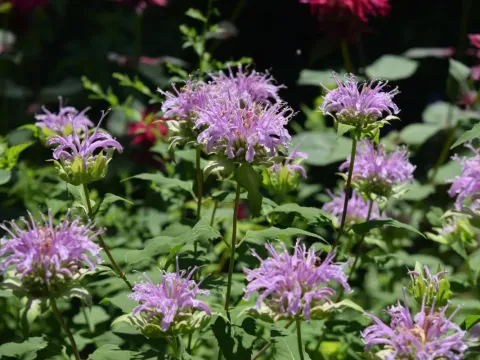
Monarda hybrids
Monarda hybrids
Monarda hybrids are herbaceous perennials belonging to the Lamiaceae family, resulting from cross-breeding wild species like Monarda fistulosa and Monarda didyma. They are widely recognized for their aromatic properties and vibrant blooms.
What the section contains
Monarda hybrids
Seeds should be sown indoors in late winter or early spring using a well-draining seed-starting mix. Optimal germination occurs at temperatures between 18°C and 20°C, usually taking two to three weeks.
Transplanting into the garden takes place after the last frost date. Seedlings need to be hardened off gradually to ensure they adapt well to outdoor environmental conditions.
Vegetative propagation by division is the most reliable method for maintaining hybrid traits. This is best performed in early spring or autumn by splitting mature clumps with healthy roots.
For industrial or garden planting, spacing should be at least 40–50 cm apart to ensure proper airflow, which is critical for reducing the risk of fungal diseases within the foliage.
Monarda hybrids thrive in full sun but can tolerate light partial shade, especially in hotter climates where the afternoon sun might be too intense for the delicate leaves.
The ideal soil is rich in organic matter, moist, and well-draining. While they prefer damp conditions, they must not be planted in waterlogged soil, which leads to root rot.
Regular irrigation is essential, particularly during dry spells in the growing season. A layer of organic mulch can help retain soil moisture and suppress weed development.
Feeding the plants with balanced fertilizers in early spring supports vigorous growth and abundant flowering. Avoid excessive nitrogen, which can lead to weak, leggy stems.
General maintenance includes keeping the planting area clean of weeds to ensure the plants have access to nutrients and preventing crowding which impedes growth.
These plants are highly valued in the food and beverage industry for their distinct flavor, often used to create herbal teas and infusions that serve as natural antiseptics.
In the pharmaceutical and cosmetic industries, monarda is a source of essential oils, particularly those containing thymol, which is known for its antibacterial and antifungal effects.
They are a staple in perennial gardens, providing a long blooming season and acting as an excellent nectar source for pollinators, including bees, butterflies, and hummingbirds.
The yield of green biomass for harvesting depends on the planting density and environmental conditions, often allowing for multiple cuts per season in temperate climates.
Proper management of the plantation ensures that the harvest remains high-quality for several years, after which the plants should be divided to rejuvenate the root system.
Powdery mildew is the most significant threat to Monarda hybrids. It typically appears as a white dust-like coating on leaves in stagnant, humid environments with poor air circulation.
Rust can also affect the foliage, resulting in orange pustules that weaken the plant. This is generally mitigated by selecting disease-resistant hybrids and maintaining proper spacing.
Insect pests like aphids can cause issues by feeding on sap and spreading viruses. Monitoring and applying mild organic soaps can often manage small infestations.
Weevils may damage flower buds, which is detrimental if the plant is grown for aesthetic value. Early detection and removal of damaged parts are recommended procedures.
- Maintain appropriate planting density for air circulation.
- Choose cultivars specifically bred for mildew resistance.
- Avoid overhead watering to keep foliage dry.
Harvesting is ideally performed at the peak of the flowering stage, when the concentration of essential oils in the leaves and blossoms is at its absolute maximum.
Use clean, sharp shears to cut stems, leaving a portion of the plant behind to encourage secondary growth and potentially a late-season harvest if conditions are favorable.
Drying must occur immediately after harvesting in a dark, airy room. Temperatures should stay below 40°C to prevent the degradation of volatile essential oil components.
Once dried, the plant material should be processed or stored in airtight containers away from light and heat to preserve its distinct aroma and pharmacological profile.
Properly harvested and processed monarda maintains its value for a year or more when kept in optimal storage conditions, serving as a reliable herbal resource.