
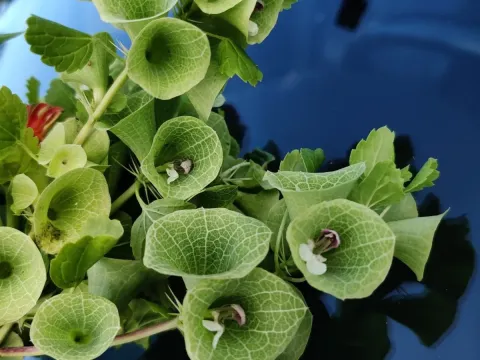
Moluccella
Moluccella L.
Sowing Moluccella directly into the soil should be done after the last frost, as this plant thrives in warm conditions. The seeds require stable temperatures and will not germinate well in cold, damp soil, making late spring the ideal planting window.
What the section contains

Moluccella
For commercial production, a greenhouse sowing method is often preferred. Seeds are sown in trays about 6–8 weeks before the planting season begins. Stratification is recommended for uniform germination, as Moluccella seeds often enter dormancy at higher temperatures.
The seeds should be covered with a very thin layer of substrate and placed in a cool, well-ventilated location. Maintaining a constant temperature of around 15 to 18 degrees Celsius is essential for successful seedling development.
Transplanting should be done with caution, as the plant has a taproot that is highly sensitive to damage. Using biodegradable peat pots is a common practice among professional growers to avoid root disturbance during the transfer to the field.
Spacing is critical for this species. Planting at a density of 30 to 40 centimeters apart allows for adequate airflow, which is a key agronomic factor in preventing humidity-related diseases and ensuring uniform growth of the stalks.
Moluccella requires full sun exposure to develop its characteristic vibrant green bracts. Inadequate light levels lead to etiolation, where stems become weak, spindly, and lose their structural integrity, which is unacceptable for high-quality cut flowers.
The crop thrives in well-draining, fertile soil with a neutral to slightly alkaline pH. It is particularly sensitive to waterlogging; therefore, incorporating sand or organic matter into heavy clay soils is necessary to improve drainage and aeration.
While the plant is somewhat drought-tolerant, consistent moisture is required during the rapid growth phase. Irrigation should be managed carefully to ensure the soil remains moist but not saturated, as damp conditions promote root rot.
Fertilization should be balanced, focusing on promoting strong stem development. Excessive nitrogen application must be avoided, as it encourages luxurious foliage at the expense of the desired bell-shaped floral structures.
Proper soil management also includes regular weeding to reduce competition for nutrients and water. Mulching around the plants can help maintain soil moisture and keep the base of the plant cool during peak summer heat.
Root rot, primarily caused by Phytophthora or Pythium species, remains the most significant threat. It occurs mainly in poorly drained fields or during prolonged periods of excessive rainfall, leading to rapid plant collapse.
Powdery mildew often infects Moluccella under conditions of high humidity and poor air circulation. Symptoms appear as a white, dusty layer on the foliage, which can quickly spread to the stems if not managed with appropriate fungicides or cultural adjustments.
Aphids are the primary insect pests affecting this crop. They tend to cluster around the succulent tips and developing bells, causing deformation and transmitting viral pathogens that can stunt the entire crop growth.
Spider mites may become a problem during hot, dry spells. Regular scouting is recommended, and if infestation levels warrant, organic or synthetic miticides should be applied during the early stages of the attack.
Integrated Pest Management (IPM) practices are highly encouraged. This includes crop rotation with non-Lamiaceae species and maintaining clean fields to reduce the overwintering of pathogens and pests.
Harvesting is conducted when the bell-shaped calyces are fully expanded and firm. The timing is crucial; harvesting too early results in weak stems, while waiting too long causes the bracts to lose their vibrant green color and start turning brown.
The stems should be cut in the early morning when turgor pressure is high. This practice significantly enhances the post-harvest longevity and ensures the cut flowers maintain their upright posture in floral arrangements.
Post-harvest care involves stripping the bottom leaves from the stem. If the leaves are submerged in water, they will decay rapidly, leading to bacterial growth that clogs the stem's vascular system and reduces the flower's lifespan.
For dried flower production, the stems should be hung upside down in a dark, dry, and well-ventilated area. This process preserves the structure and color of the bells, making them popular in long-lasting interior decor.
Widely known as Irish bells, Moluccella is prized for its unique architectural form. It serves as an excellent line element in sophisticated floral bouquets, adding both volume and a distinctive natural green tone.