
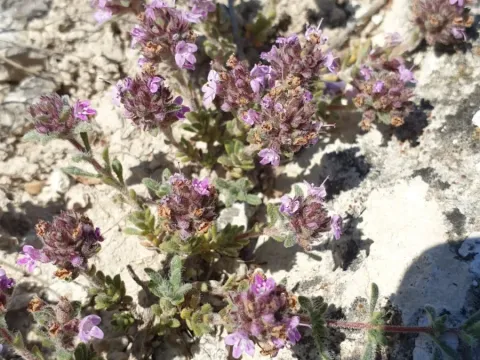
Moldavian thyme
Thymus moldavicus
Sowing of Moldavian thyme is typically performed in the spring once the soil temperatures have risen to 10–12°C. In regions with milder climates, autumn sowing is also an option, which can lead to early sprouting after the winter season.
What the section contains
Moldavian thyme
Because the seeds are extremely small, they should be sown at a shallow depth of only 0.5–1 cm. Using a roller after sowing is essential to ensure proper seed-to-soil contact, which is critical for successful germination.
For those using seedling methods, seeds should be started in trays or greenhouses 45–60 days before transplantation to the open field. This strategy allows the plants to establish a robust root system before facing outdoor conditions.
The standard spacing for this crop involves 45–60 cm between rows, allowing enough space for the plant to bush out properly. Adequate spacing is also necessary to facilitate mechanical weeding and ensure good airflow across the field.
During the first year, growth is relatively slow, making early-season weed management critical for the crop's success. Once the plants reach maturity, they become more competitive against weeds.
Moldavian thyme is a perennial species of the Lamiaceae family that thrives in full sun. It requires open areas with direct exposure to light to maximize the production of aromatic essential oils.
The plant prefers light, well-draining sandy or loamy soils. Good aeration is vital for the roots, as the plant is highly sensitive to waterlogging, which can easily trigger fungal infections and root rot.
It is known for its high drought and cold tolerance, making it a versatile crop for various temperate climates. However, in regions with harsh winters and little snow cover, young plants may benefit from protective mulching.
Strategic application of fertilizers, specifically those rich in phosphorus and potassium, helps improve the plant's essential oil profile. Nitrogen should be used sparingly to avoid excessive vegetative growth that may dilute the plant's potency.
Regular cultivation of the soil between rows is necessary to prevent compaction and ensure that oxygen reaches the root system. Proper aeration is a fundamental aspect of managing a healthy field of thyme.
The yield of Moldavian thyme typically stabilizes during the second and third years of life. This period represents the prime production phase for both biomass and essential oil concentration.
Growers can expect an average yield of 5 to 10 tonnes of fresh herb per hectare. When dried, the final product typically retains about 20–25% of the original fresh weight.
The concentration of essential oil is highest at the beginning of the full bloom phase. Harvesting at exactly the right time is essential for those looking to extract oils for pharmaceutical or culinary uses.
A typical plantation remains productive for about 4 to 5 years. After this cycle, the plants usually become overcrowded or less vigorous, requiring the replanting of the fields to maintain high yield levels.
While the plant is drought-tolerant, supplemental irrigation during extreme dry spells can boost biomass production, provided that the soil is allowed to dry out between watering sessions.
Fungal diseases, such as powdery mildew and root rot, are the primary threats to thyme plantations. These are often caused by poor drainage, excessive humidity, or lack of proper ventilation between plants.
Pests like weevils, leaf beetles, and spider mites can cause significant damage to foliage. Regular monitoring is necessary to catch infestations early and apply appropriate control measures before they spread.
Rotation is the most effective cultural practice for disease control. Avoid planting thyme on the same plot more frequently than every 3–4 years to prevent the buildup of soil-borne pathogens.
Biological pest control methods should be prioritized to maintain the quality of the raw material. Avoiding broad-spectrum pesticides ensures that the herbs remain safe and clean for commercial distribution.
- Regular crop inspection
- Use of disease-free stock
- Removal of plant debris
- Maintaining adequate soil drainage
The harvest should occur during the full flowering stage when the essential oil content is at its peak. This usually spans from June to August depending on the specific climatic zone.
Plants are cut at a height of 5–10 cm above the soil surface. Care should be taken to remove any woody stems, as these lack the essential oils and diminish the value of the final harvest.
Once cut, the material should be transported for drying immediately. Protecting the harvest from direct sunlight during the drying process is critical to preventing the degradation of volatile aromatic compounds.
Drying in controlled environments at 35–40°C is the preferred method for high-quality production. The final product should be brittle, retain its color, and release a potent aroma when crushed.
Proper storage is essential to maintain quality over time. Finished goods must be kept in cool, dark, and well-ventilated rooms, preferably in sealed containers to prevent the loss of aroma.