
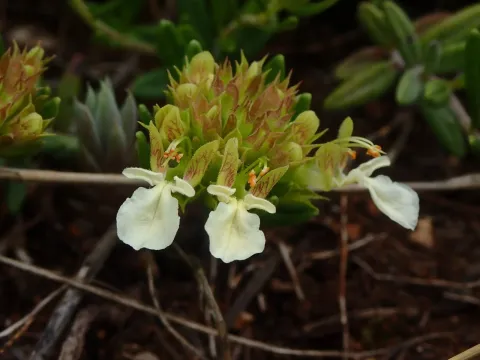
Mountain germander
Teucrium montanum
Sowing Mountain germander seeds is best performed in the early spring once the soil temperature is stable. The seeds benefit greatly from stratification, as they have a naturally long dormancy period that needs to be broken.
What the section contains
Mountain germander
For container-grown starts, seeds should be sown in March using a light, well-draining soil mix. Maintain a moderate humidity level, ensuring the surface does not dry out completely during the germination process.
Germination occurs at temperatures between 18 and 22 degrees Celsius. Once the seedlings develop their second set of true leaves, they should be carefully transplanted or thinned to prevent overcrowding.
Outdoor planting should be delayed until the risk of frost has passed. Space the plants approximately 30 centimeters apart to allow for proper airflow, which is critical for preventing fungal issues.
Vegetative propagation is also possible through cuttings taken in the summer. These root effectively in a sandy medium if kept out of direct sunlight and adequately misted.
Mountain germander is a hardy perennial belonging to the Lamiaceae family. It is naturally adapted to rocky, mountainous terrain, making it an excellent candidate for xeriscaping or rock gardens.
The plant requires full sun to thrive and produce its signature silvery, woolly foliage. Soil needs to be lean and exceptionally well-drained, as the species is highly sensitive to root rot caused by stagnant water.
It prefers alkaline or neutral soil types, often found in limestone-rich areas. While it is quite drought-tolerant once established, providing occasional deep irrigation during severe summer heatwaves can improve vigor.
Agronomic management is minimal, focusing on maintaining soil porosity and keeping the surrounding area free of tall weeds that might block sunlight or create microclimates of excess humidity.
In terms of climate, it is very cold-hardy, provided the soil remains free-draining during winter thaws. Mulching with small stones or grit around the crown helps prevent moisture damage.
Yield efficiency for Mountain germander is determined by the harvest timing, which should coincide with peak bloom. Harvesting involves cutting the upper aerial parts of the stems to ensure high volatile oil content.
Productivity reaches up to 2 tons of fresh biomass per hectare in professional settings. The plants can be harvested annually, provided they are allowed enough time to recover and store energy for the next season.
Post-harvest handling requires quick drying in cool, shaded, and well-ventilated conditions. Maintaining the green/silvery color of the leaves is a key indicator of quality for the medicinal market.
For sustainable yield over multiple years, light pruning after flowering is recommended. This avoids woodiness at the base and keeps the plant productive for many seasons to come.
Value-added products include essential oils and dried herbs, which are prized in traditional medicine and the flavor industry for their bitter, aromatic properties.
Root rot, caused by Phytophthora or Pythium species, remains the primary threat to Mountain germander. This usually occurs when the soil does not drain sufficiently, especially during wet autumns or mild winters.
Pests are generally not a significant issue due to the plant’s high concentration of bitter compounds and essential oils, which act as natural repellents for many common herbivorous insects.
In cases of extremely dense planting, powdery mildew can occur. This is mitigated by ensuring proper spacing between plants and locating them in areas with good natural air circulation.
Weed control should be performed manually to avoid damaging the shallow root system or contaminating the crop with chemical residues. Using landscape grit or gravel as a top dressing is a highly recommended practice.
Regular monitoring during the spring growth phase allows for the early removal of any winter-damaged tissue, preventing the spread of secondary infections throughout the plantation.