
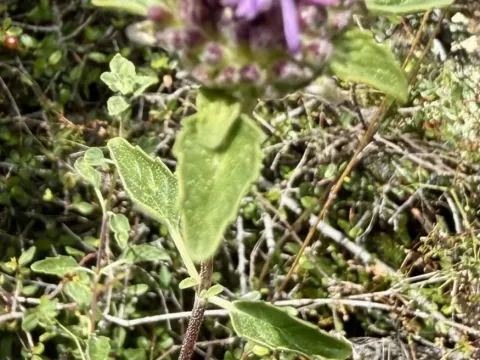
Monardella
Monardella
Sowing Monardella requires careful attention to seed preparation, as many species benefit significantly from cold stratification. Seeds should be sown in early spring, either in containers or directly in a prepared outdoor seedbed once the danger of frost has passed.
What the section contains


Monardella
For container-grown starts, use a light, sterile seed-starting mix. The seeds are small and require light for germination, so they should be surface-sown or covered only with a very thin layer of vermiculite or sand to keep them in place while allowing light penetration.
When sowing in the field, space the rows approximately 30-45 cm apart. Ensure the soil is fine-textured and free of debris to allow for optimal contact between the soil and the seeds, which is crucial for uniform germination.
Maintaining consistent moisture during the germination period is essential. Once the seedlings develop their first true leaves, they can be thinned to ensure adequate airflow, which helps prevent damping-off disease in the nursery bed.
Transplanting into the permanent garden site should be done carefully to minimize root disturbance. Monardella plants generally establish better if they are transplanted while still relatively small, allowing the roots to adapt to the new soil conditions.
Monardella is a member of the Lamiaceae family, native to various ecological zones in western North America, ranging from coastal bluffs to mountainous alpine regions. It thrives in environments characterized by distinct wet and dry seasons.
These plants are sun-loving and demand a site with full exposure to sunlight. They do not tolerate shade, which causes weak, leggy growth and significantly reduces the production of the essential oils that give the plant its characteristic fragrance.
Soil drainage is the single most important factor for success. Monardella will not survive in heavy, waterlogged clays. It performs best in rocky, gritty, or sandy-loam soils that facilitate rapid water movement away from the root zone.
The plant is highly drought-tolerant once established and does not require frequent irrigation. During the summer, water should be applied deeply but infrequently, and only after the soil has dried out significantly to prevent root rot.
Maintenance is minimal but includes occasional weeding during the first growing season. In cooler climates, providing a light mulch can protect the root system from extreme winter temperature fluctuations, though the crowns must remain dry.
The most common issues affecting Monardella are related to improper water management. Excessive humidity or poor drainage frequently leads to root rot caused by pathogens such as Phytophthora or Pythium.
Powdery mildew can occur if there is insufficient air circulation around the plants. This fungal disease appears as white, powdery patches on the leaves and can be mitigated by spacing plants correctly and pruning for airflow.
Pests are generally not a major concern for Monardella, as the strong aromatic oils often act as a natural deterrent. However, in some garden settings, aphids may colonize new, succulent growth during the early spring months.
Slugs and snails can occasionally cause damage to young seedlings. Implementing physical barriers or using integrated pest management strategies can effectively control these mollusks without resorting to heavy chemical inputs.
Monitoring for signs of stress, such as yellowing leaves, is crucial. If these symptoms appear, the first step should be to evaluate soil moisture levels and drainage, rather than applying pesticides, as environmental factors are usually the primary cause of decline.
Harvesting Monardella is typically performed when the plant is in full bloom. This stage captures the peak concentration of essential oils in the foliage and flowers, ensuring the best sensory and therapeutic properties.
Using sharp, sterilized shears, harvest the top third of the stems. It is important to leave enough foliage on the plant to allow it to recover and store energy for the subsequent growing season.
Once harvested, the plant material should be dried in a dark, cool, and well-ventilated area. Drying in the shade preserves the volatile oils that would otherwise evaporate if exposed to direct sunlight or high heat.
For culinary use, the dried herb provides a complex, minty flavor profile with hints of citrus and spice. It is highly valued as a tea ingredient and a seasoning in savory dishes, adding a unique aromatic dimension.
In addition to its culinary and medicinal uses, Monardella is an excellent choice for xeriscaping. Its nectar-rich flowers make it a valuable asset for local pollinator populations, including native bees and butterflies.