
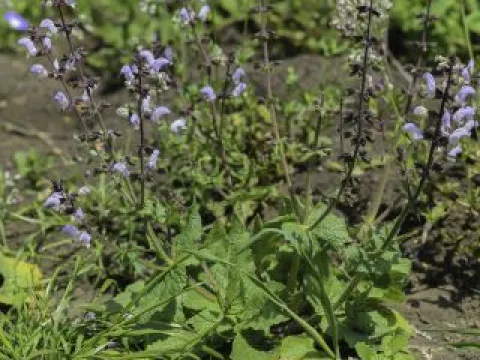
Moureti Sage
Salvia moureti
Sowing Moureti Sage requires careful selection of the timing to ensure soil temperatures remain consistently above 10-12 degrees Celsius. Optimal results are achieved when seeds are sown in well-prepared, friable seedbeds that allow for deep root penetration during the early growth stages.
What the section contains
Moureti Sage
Whether utilizing direct seeding or transplanting methods, plant density must be carefully calculated to prevent overcrowding. Transplanting is often preferred in areas with shorter growing seasons to ensure the plants establish a strong root system before the onset of extreme weather.
The sowing depth is critical for Salvia moureti, typically kept shallow at around 1 to 1.5 centimeters. This ensures the seeds have access to the necessary moisture for germination while protecting them from drying out due to sun exposure in the topsoil layer.
Row spacing should be determined based on local soil fertility and the available machinery for future maintenance operations. Ensuring sufficient space between rows is vital for later weed control and air circulation, which helps reduce the risk of humidity-related pathogens.
Early spring is generally the most favorable window for establishment, as it allows plants to take full advantage of stored moisture. Once established, the seedlings require consistent monitoring to ensure that competitive weed pressure does not hinder their development during the first weeks.
Moureti Sage thrives in sunny, well-lit environments, which are essential for the synthesis of secondary metabolites and essential oils within the leaves. Exposed locations with good sunlight exposure are preferable to maximize the quality of the harvested raw material.
The crop prefers well-drained, fertile, sandy loam or loamy soils. It is highly intolerant of waterlogged conditions, which can lead to root decay, so selecting a location with a slight slope or good natural drainage is a key management decision for long-term productivity.
While the plant is known for its moderate drought tolerance once established, supplemental irrigation during critical growth phases or prolonged dry spells can significantly increase biomass yields. Maintaining consistent but moderate soil moisture supports vigorous vegetative growth.
Regular maintenance, including mechanical inter-row cultivation, is necessary to keep the plantation free from weeds. This practice not only reduces competition for nutrients and water but also improves soil aeration, which is beneficial for root health in this species.
Fertilization regimes should be based on soil analysis, with a focus on phosphorus and potassium levels to promote strong cell wall development. Nitrogen levels should be managed cautiously to avoid excessive vegetative growth that may reduce the concentration of essential oils.
Fungal pathogens such as root rot and powdery mildew are the most significant threats to Moureti Sage plantations, particularly when environmental conditions include high humidity or poor airflow. Preventive measures like proper spacing are essential for minimizing these risks.
Various insect pests, including leaf-feeding beetles and spider mites, can damage the foliage and negatively impact the crop's quality. Early detection through regular field scouting allows for targeted management and avoids the need for broad-spectrum chemical interventions.
Maintaining a clean field environment by removing plant debris after the harvest is a fundamental step in preventing the overwintering of pathogens and pests. This practice significantly lowers the inoculum pressure for the subsequent growing season.
Crop rotation remains the most effective long-term management strategy for reducing the incidence of soil-borne diseases. Avoiding repeated plantings of Salvia species in the same field helps break the cycle of host-specific infections.
In cases where pest populations exceed economic thresholds, integrated pest management practices should be employed. These include the use of biological control agents and strictly following label instructions for any necessary pesticide applications to ensure product safety.
Harvesting Moureti Sage is typically performed at the peak of flowering, a stage that guarantees the highest concentration of the desired active compounds. Timing the harvest accurately is essential for both the economic value and the quality of the essential oil profile.
Mechanical harvesting requires precise height adjustment to ensure that sufficient leaf surface area remains on the plant for recovery. Cutting too close to the ground can stress the plants and potentially lead to lower regrowth rates in subsequent seasons.
Post-harvest handling must be rapid to avoid the degradation of volatile compounds. Freshly cut plant material should not be left in piles, as internal heat buildup can rapidly reduce the aromatic quality and medicinal efficacy of the dried product.
Drying should take place in specialized facilities with controlled temperature and active ventilation systems. Preventing excessive heat during the drying process is crucial to preserve the chemical integrity of the essential oils found within the leaves.
After the drying process is complete, storage must be managed in airtight containers away from direct light and humidity. Proper post-harvest management ensures that the Moureti Sage maintains its quality standards until it reaches the end-user or processing unit.