
Scutellaria nicholsonii
Scutellaria nicholsonii
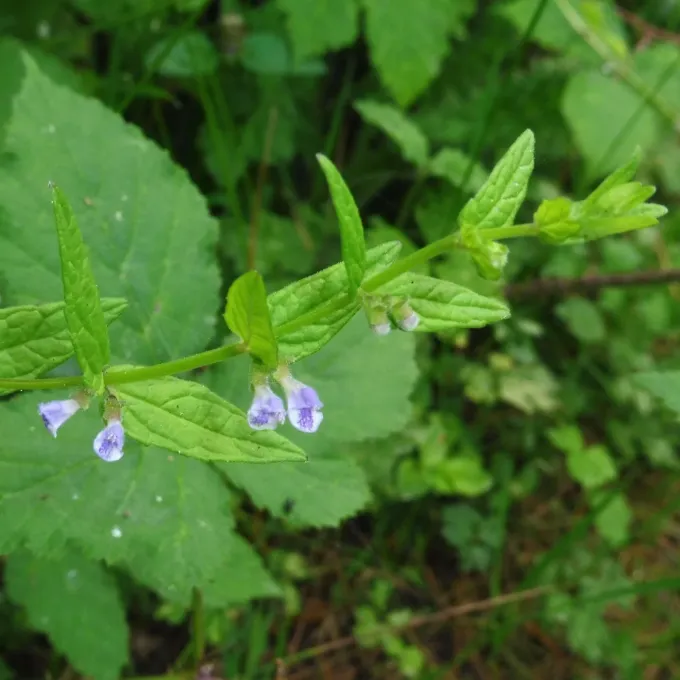
Description
Sowing dates
The sowing of Scutellaria nicholsonii is best performed in the spring when soil temperatures reach 10–12°C. Timing is crucial to ensure seeds germinate before the onset of extreme summer heat, allowing the root systems to establish adequately in the soil.
Pre-sowing stratification is highly recommended to improve germination rates. This biological preparation helps break seed dormancy, leading to more uniform seedling emergence, which is essential for high-quality commercial crop production.
Seeds should be sown at a depth of 1–2 centimeters. Planting too deep can prevent germination, while planting too shallow risks dehydration in the topsoil layer; thus, precise depth control is a fundamental practice in professional herb cultivation.
For those using seedling trays, sow seeds indoors in late March. Transplants are moved to the permanent growing area once the risk of night frost has passed, ensuring the plants adapt to the field environment without experiencing unnecessary transplant shock.
Row spacing should allow for adequate development and mechanical maintenance. Leaving 45–50 centimeters between rows ensures that each plant has enough space to grow, reducing competition for essential sunlight and soil nutrients.
Growing requirements
Scutellaria nicholsonii belongs to the Lamiaceae family and thrives best in locations with high light intensity. Sufficient sunlight is vital for the development of the plant's secondary metabolites, which are often the primary focus of its cultivation.
Well-draining, light-textured soils such as sandy loams are ideal for this crop. The species is highly sensitive to waterlogging, so fields with excellent natural drainage or elevated beds are preferred to prevent root system suffocation.
Optimal pH for this culture is between 6.0 and 7.0. While the plant can grow in diverse soils, consistent soil fertility management is necessary. Regular applications of organic matter improve soil structure and sustain consistent growth throughout the season.
Though the plant possesses good cold hardiness, it requires consistent moisture during the growing season. Irrigation management is particularly important during the peak of vegetative development to ensure biomass targets are met efficiently.
Cultural practices include periodic cultivation between rows to eliminate weed competition and encourage soil aeration. Weed-free conditions are essential to minimize the risk of pests and ensure the crop utilizes the maximum available soil moisture.
Main diseases and pests
Root rot is the most significant threat to the crop, typically triggered by high soil moisture content and poor aeration. Establishing a proper drainage system is the most effective preventative measure against these pathogenic organisms.
Aphids and various leaf-chewing insects are the most common pests affecting the foliage. Integrated pest management strategies, focusing on biological controls, should be implemented to protect the medicinal quality of the harvested material.
Powdery mildew may occur in dense plantings during late summer when humidity levels rise. Providing adequate plant spacing is the primary cultural technique used to improve air circulation and reduce the likelihood of fungal outbreaks.
Weeds can harbor pests and compete for nutrients, making early-stage weeding critical. Maintaining a clean field perimeter and using mulch between rows can significantly reduce weed pressure without the need for excessive herbicide application.
Maintaining a multi-year crop rotation cycle is essential for soil health. Rotating Scutellaria nicholsonii with non-related species helps reduce the accumulation of soil-borne pathogens and ensures consistent, long-term yield stability.