
Hairy-veined mint
Mentha villosonervata
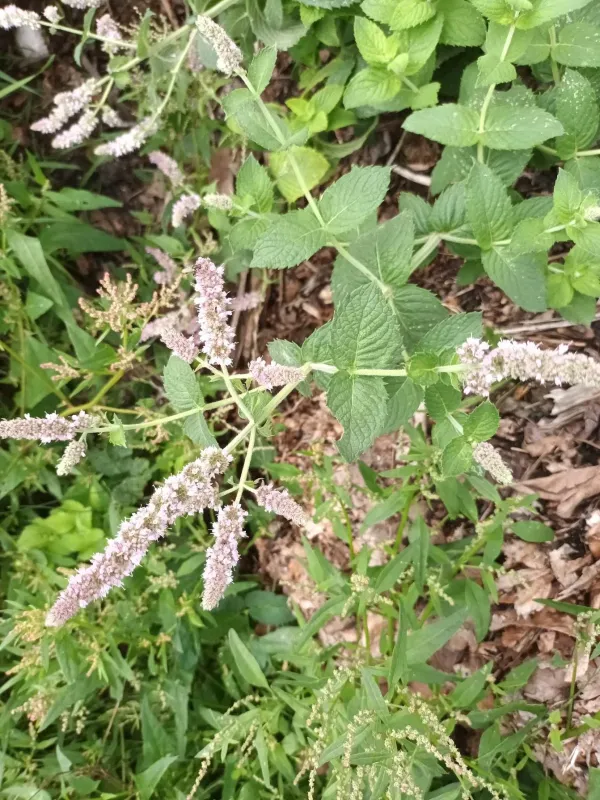
Description
Sowing dates
The propagation of Mentha villosonervata is typically achieved through vegetative means, using rhizome cuttings. Planting should take place in early spring once the soil temperature consistently reaches 8–10 degrees Celsius to ensure successful establishment.
Rhizomes are placed in furrows at a depth of 8–12 centimeters, with row spacing maintained at 60–70 centimeters. This layout facilitates mechanical weeding and harvesting while providing optimal space for the plant to spread.
While autumn planting is possible in milder climates, it requires mulching to protect the developing root system from severe frost. Proper soil moisture must be maintained immediately following the planting process.
Selecting clean, disease-free parent stock is critical for the long-term productivity of the plantation. A well-prepared seedbed that is free from perennial weeds will significantly boost the yield potential in the first year.
After planting, the soil should be firmly rolled to ensure good contact between the rhizome and the soil particles. This practice is essential for rapid root development and even sprouting across the entire field.
Growing requirements
As a member of the Lamiaceae family, the hairy-veined mint thrives in nutrient-rich, loamy soils that possess good structure. The ideal pH range is slightly acidic to neutral, which allows for optimal nutrient uptake.
The plant requires consistent moisture but is highly sensitive to waterlogging. Sites with a water table at a depth of 80–100 centimeters are considered ideal to prevent root rot while ensuring enough hydration for the foliage.
Exposure to full sunlight is necessary to maximize the concentration of essential oils. In shaded environments, the plants tend to grow elongated and weak, leading to a poorer quality of harvested product.
Regular fertilization with nitrogen and phosphorus is beneficial during the vegetative growth phase. However, excessive nitrogen can reduce the aromatic quality of the mint, so careful balance is advised.
The plant is hardy and adapts well to temperate climates, showing significant resilience against cold temperatures. During the dormant winter phase, a sufficient snow cover helps in protecting the rhizomes from freezing.
Main diseases and pests
Mint rust is one of the most serious fungal diseases affecting Mentha villosonervata. It typically appears as orange or brown pustules on the undersides of leaves, which can severely reduce plant vigor if not controlled.
Powdery mildew is another major threat, especially in humid conditions with poor air circulation. Proper spacing between plants and the removal of infected debris are essential preventive strategies.
Insects like leaf beetles and aphids can cause significant damage to the foliage. Aphids, in particular, colonize the tender tips, leading to leaf curling and stunted growth that affects both weight and quality.
Wireworms can attack the rhizomes underground, causing plants to wilt and die. Implementing a proper crop rotation system is the best defense against these soil-borne pests to maintain field health.
Integrated pest management includes the regular monitoring of fields to detect early signs of infestation. Timely removal of affected plants helps in preventing the spread of diseases across the plantation.