
Hesperozygis
Hesperozygis x Satureja
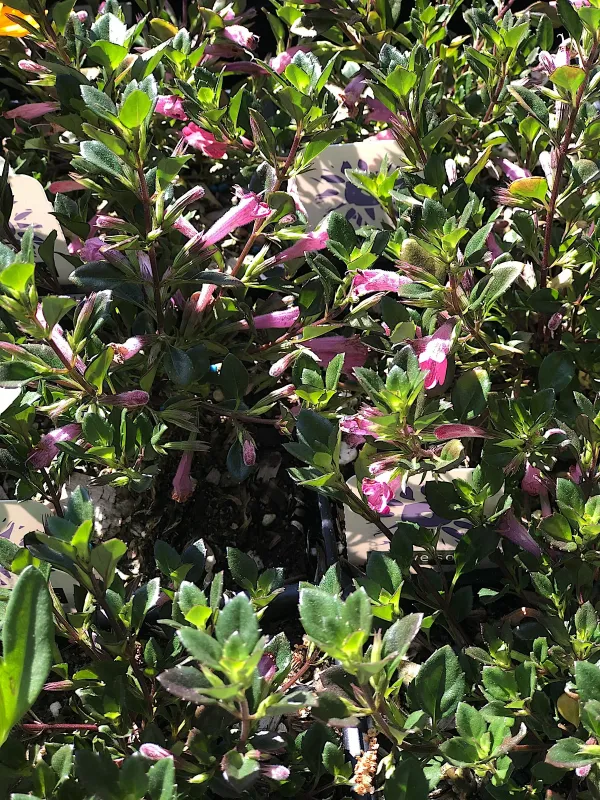
Description
Sowing dates
Sowing Hesperozygis seeds is typically carried out in early spring once soil temperatures reach a consistent 15–18°C. For optimal results, a greenhouse starting method is recommended, which provides the controlled environment necessary for reliable germination and seedling vigor.
Begin the process in late winter, utilizing a lightweight, well-draining seed-starting mix. Surface sow the seeds or cover them with a very thin layer of vermiculite, maintaining high humidity until germination occurs to prevent the delicate seeds from drying out prematurely.
Transplanting seedlings to their final outdoor location should only occur after all risks of frost have passed. Space plants roughly 30–40 cm apart to ensure adequate airflow, which is critical for reducing the moisture buildup that often leads to common fungal diseases.
Initial establishment requires consistent moisture; however, once fully rooted, the plant develops moderate resilience to dry spells. The use of organic mulch around the base of the plant helps retain soil moisture while suppressing competition from opportunistic weed species.
Fertilization schedules should be tailored to the growth stage. In the early vegetative phase, nitrogen-rich organic amendments support rapid leaf expansion, whereas moving into the blooming cycle, a phosphorus-enriched fertilizer will help maximize the aromatic oil production.
Growing requirements
Hesperozygis belongs to the Lamiaceae family, sharing many cultural characteristics with its relative, the savory (Satureja). These plants thrive in full sun exposure, which is necessary to drive the production of the essential oils that define the plant’s distinct fragrance.
The ideal soil profile is a light, fertile loam or sandy loam with a neutral to slightly alkaline pH. Drainage is paramount; Hesperozygis will suffer quickly in heavy, waterlogged soils, making raised beds or amended soils necessary for success in less-than-ideal garden conditions.
Moderate temperatures ranging between 20–25°C are optimal for growth. In northern climates, the plant may require container cultivation so it can be moved indoors during the winter months, as it is generally not frost-hardy and will perish in freezing conditions.
Humidity management is an essential aspect of successful cultivation. While they enjoy warmth, high-humidity environments combined with stagnant air can trigger rot. A site with naturally good airflow is preferable to enclosed or sheltered corners of the garden.
Wind protection is beneficial for commercial-scale operations. While the plant is sturdy, high winds can damage the succulent stems. Using strategic companion planting or windbreaks can mitigate physical damage and promote more uniform development across the plot.
Yield
The primary yield of Hesperozygis is its aromatic foliage, prized for its concentrated essential oils. The highest quality material is achieved by harvesting just as the plant begins its primary flowering phase, as this is when the volatile oil content is at its absolute peak.
Proper management, including timely irrigation and deadheading of early blooms, can allow for multiple harvest cycles within a single growing season. This sequential harvesting significantly increases the total weight of biomass produced per square meter.
Post-harvest handling is critical to maintaining the plant's essential oil profile. Immediate drying in a shaded, well-ventilated area prevents the rapid degradation of the volatile compounds that would otherwise occur if the foliage were left in the sun or damp conditions.
If producing for the essential oil industry, processing should happen immediately upon harvest. Freshness is the most important factor in determining the chemical purity and intensity of the fragrance extracted during the steam distillation process.
Storage of the finished product requires airtight containers in a cool, dark environment. When treated correctly, the dried biomass retains its culinary and aromatic qualities for extended periods, making it a valuable product for both small-scale and commercial distributors.
Main diseases and pests
Root rot is the most common threat to Hesperozygis, usually resulting from over-irrigation or poorly draining soil. To prevent this, ensure that the soil surface dries out slightly between watering sessions and avoid overhead watering late in the day.
Seedlings are susceptible to damping-off, a fungal disease that can decimate a tray of young plants overnight. Sterilizing all starting equipment and ensuring excellent ventilation are the best defenses against this silent crop killer during the early stages of life.
Pests like aphids and spider mites may appear during periods of heat stress. Early detection through regular monitoring is key; organic interventions like insecticidal soaps or neem oil can effectively control populations without compromising the plant's safety for culinary use.
Crop rotation is an essential strategy in managing soil-borne pathogens. Avoid planting Hesperozygis in the same spot more frequently than once every three or four years, as this prevents the buildup of specific pests or soil diseases tailored to the Lamiaceae family.
Integrated Pest Management (IPM) practices should be employed whenever possible. By fostering a diverse garden environment that attracts beneficial predators, growers can reduce the need for external chemical interventions significantly.
Harvesting
Harvesting is best conducted in the early morning after dew has evaporated but before the heat of the day causes essential oils to dissipate. Cut the stems roughly 10–15 cm above the base to encourage the plant to regenerate for future growth.
Timing the harvest is a delicate balance. If harvested too early, biomass yields are low; if harvested too late, the plant focuses energy on seed production rather than foliage quality, and the leaves may become tough and lose their aromatic complexity.
Gathered material should be collected in baskets or crates that allow for airflow; avoid plastic bags, which encourage fermentation and rapid decay of the delicate leaves. Rapid transfer to a cool processing site is essential for high-quality production.
Cleaning the harvest of any debris or non-aromatic plant parts is an essential step that ensures the purity of the final product. Even small amounts of foreign matter can impact the flavour profile or the quality of the essential oil extract.
For home use, harvesting can be done on a smaller, more frequent scale, which keeps the plant in a state of constant, vigorous renewal. This approach ensures a continuous supply of fresh, high-quality herbs throughout the active growing season.