
Common hemp-nettle
Galeopsis segetum Neck.
Description
Growing requirements
Common hemp-nettle (Galeopsis segetum) is an annual herbaceous plant belonging to the Lamiaceae family. While primarily recognized as an agricultural weed, it is historically valued in traditional medicine for its anti-inflammatory properties.
The native range of this plant includes most of Europe, where it thrives in arable lands, fallow fields, and sandy soils. It is highly adapted to temperate climates, making it a persistent visitor in both winter and spring crop fields across the continent.
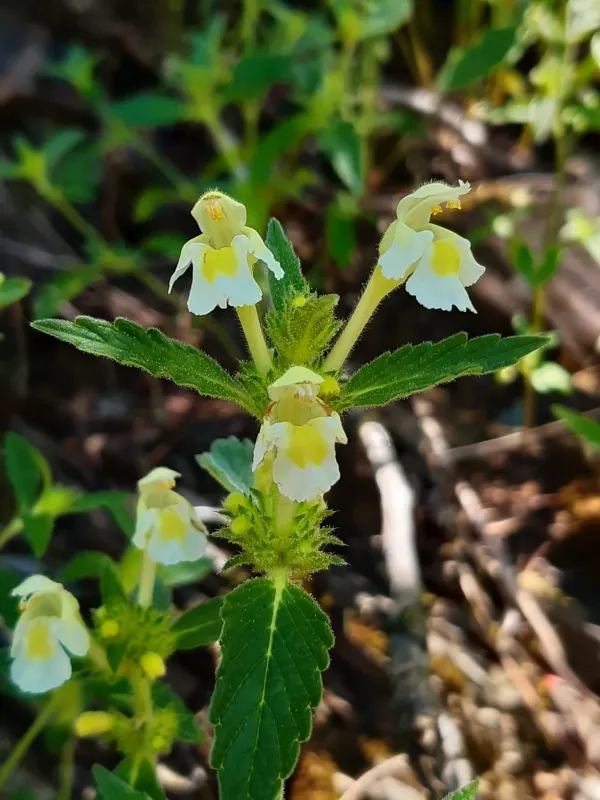
Botanically, it is distinguished by a stiff, hairy stem and opposite leaves. The flowers are typically yellow or pale cream, arranged in whorls, which serves as a reliable marker for identification among other field weeds in the Galeopsis genus.
Regarding its habitat requirements, G. segetum prefers well-drained but moist soils. It shows a remarkable ability to establish itself in nutrient-poor conditions, although it significantly thrives when additional nitrogen is supplied to the primary crop.
In terms of agricultural impact, it acts as a strong competitor for nutrients, water, and sunlight. If left uncontrolled, high density of common hemp-nettle can cause severe lodging or stunted growth in cereal crops, directly reducing yield potential.
Main diseases and pests
The plant can act as an alternative host for various pathogens, including fungal diseases such as powdery mildew, which can later infect valuable crop species if the weed is not properly managed in field borders.
Several insect pests, including aphids and leaf beetles, can utilize the common hemp-nettle for shelter and reproduction, potentially bridging the pest populations between seasons in the agricultural ecosystem.
Effective weed management relies on cultural practices such as crop rotation, which breaks the life cycle of the weed, and thorough tillage operations that bury seeds beyond their germination depth.
Chemical control is often necessary in high-pressure fields. Using selective post-emergence herbicides at the correct growth stage of the weed is the standard practice to ensure maximum efficacy against its broad leaves.
Integrated pest management (IPM) strategies for G. segetum emphasize early detection and monitoring. Timely intervention ensures that the plant is removed before it completes its flowering stage and disperses its persistent seeds.