
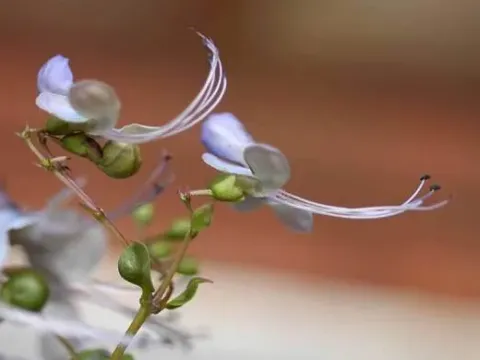
Blue glorybower
Clerodendrum ugandense
Blue glorybower (Clerodendrum ugandense) is a vigorous evergreen shrub belonging to the Lamiaceae family. Native to tropical regions of East Africa, this plant is valued for its unique butterfly-shaped flowers and requires specific conditions to thrive in cultivation.
What the section contains
Blue glorybower
The plant demands bright, indirect sunlight to maintain its foliage color and flowering potential. When grown indoors, placing the plant near south-facing windows with sheer curtains or east-facing windows is typically ideal to avoid scorch damage.
Soil requirements focus on high organic matter content combined with excellent drainage. A mix of peat moss, perlite, and high-quality potting compost provides the necessary structure to keep roots healthy and well-aerated.
Environmental humidity should remain consistently high, ideally above 50%. The culture benefits from regular misting or the use of humidity trays to compensate for the drying effects of indoor climate systems.
Regular pruning is a vital agronomic practice for this shrub. By cutting back long stems during late winter or early spring, growers promote denser growth and a more prolific bloom display in the following season.
Spider mites are the most frequent threat to the health of Clerodendrum ugandense, especially during the dry winter months. They colonize the underside of leaves, causing discoloration and eventual leaf drop.
Whiteflies are another common pest in greenhouse environments. These insects extract sap from the plant, weakening it and potentially facilitating the development of sooty mold on the foliage surface.
Root rot, caused by overwatering and poor drainage, remains the most significant physiological disease. It often manifests as sudden wilting despite moist soil, indicating that the root system has already begun to decay.
Chlorosis, or yellowing of the leaf tissue, is often a sign of nutrient deficiency, specifically magnesium or iron deficiency. Adjusting the fertilizer regime or correcting the soil pH can help rectify this imbalance.
Effective management involves an Integrated Pest Management (IPM) approach: using mechanical cleaning, maintaining proper air circulation, and applying organic or synthetic pesticides only when strictly necessary.