
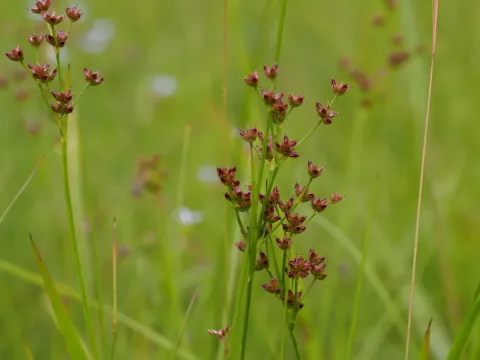
Winged rush
Juncus alatus
The Winged rush (Juncus alatus) is a perennial herbaceous species belonging to the Juncaceae family. It is a moisture-loving plant native to regions with abundant freshwater resources, specifically wetland margins and marshy habitats.
What the section contains
Winged rush
Botanically, it is recognized by its distinct winged stems, which give the plant a unique architectural appearance. The stems are smooth and green, providing both structural stability and a surface area for gas exchange in humid environments.
Cultivation of this plant requires consistently wet soil or shallow standing water. It thrives in locations that provide full sunlight to partial shade, where the soil profile remains rich in organic matter throughout the year.
In terms of agricultural and environmental utility, Juncus alatus is highly regarded for its role in phytoremediation. Its dense root network effectively filters nitrates and phosphates, making it ideal for wastewater management.
The plant is relatively hardy and can adapt to a range of environmental conditions, provided that the moisture levels remain stable. Its versatility makes it a valuable asset for both ornamental water gardens and ecological restoration projects.
Winged rush is remarkably resistant to most common plant diseases due to its specialized adaptation to semi-aquatic habitats. It is rarely affected by the viral or bacterial pathogens that typically plague terrestrial crops.
The primary concern for this species is the accumulation of stagnant water, which, if contaminated with toxins, may stress the plant's root system. Maintaining proper water flow is the best preventative measure against root decay.
Pests are generally not a significant issue for Juncus alatus. Its rigid, fibrous stems are not particularly palatable to many insects, providing a natural deterrent against common garden pests.
Maintenance should focus on removing dead or decaying biomass from the planting area to encourage new growth and prevent the buildup of anaerobic conditions at the base of the plant.
Since the plant is usually grown in ecological or ornamental settings, chemical pesticides should be avoided, as the plant often shares its habitat with sensitive aquatic organisms and beneficial pond wildlife.