
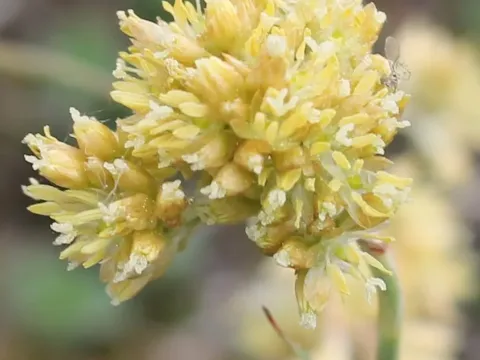
Yellow wood-rush
Luzula lutea
Yellow wood-rush (Luzula lutea) is a perennial herbaceous plant belonging to the Juncaceae family. It is a distinctive species often recognized for its unique appearance, which differs significantly from traditional meadow grasses.
What the section contains
Yellow wood-rush
The native distribution of this plant includes high-mountain regions of Europe, such as the Alps. It is naturally adapted to subalpine meadows and stony slopes, where the environment is characterized by cool temperatures and variable precipitation.
Cultivation of Luzula lutea requires well-drained soils with a slight preference for acidic to neutral pH levels. Waterlogging must be avoided at all costs, as the root system is sensitive to prolonged moisture saturation, which can lead to rapid decay.
The plant thrives in positions with partial to full sunlight, although it shows good adaptability in slightly shaded garden areas. Its hardy nature makes it a reliable choice for alpine gardens and other decorative landscaping projects in temperate climates.
From an agricultural management perspective, it is propagated by division or seeds. It creates compact, low-growing clumps, making it an excellent candidate for ground cover in rocky, difficult-to-cultivate terrain where other plants might struggle.
The primary threats to Luzula lutea include root pathogens, which are typically triggered by improper irrigation and poor soil aeration. Implementing a coarse gravel mulch can help improve drainage and isolate the base from excess water.
Insect and gastropod pests, specifically slugs, are known to feed on the foliage during moist seasons. Gardeners should monitor for signs of herbivory and maintain clean surroundings around the plant base to deter these pests from settling.