
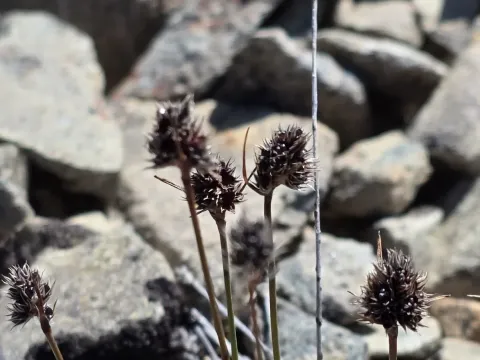
Woodrush
Luzula
Woodrush (Luzula) is a genus of perennial herbaceous plants belonging to the Juncaceae family. Unlike common rushes, these plants are characterized by flat, hair-fringed leaves, which give them a unique appearance and a soft texture.
What the section contains

Woodrush
The genus has a cosmopolitan distribution, primarily found in temperate and cold regions of both the Northern and Southern Hemispheres. They are typically forest-dwelling plants that thrive in understory conditions, showing remarkable tolerance to deep shade.
The climatic requirements of woodrush are focused on cooler temperatures and consistent moisture. While the plants are hardy, they perform best in regions with high humidity and sheltered environments where extreme heat is mitigated.
Regarding soil preferences, woodrush favors acidic to neutral, organic-rich, and well-drained soils. Its ability to tolerate low-fertility soils makes it a resilient choice for ecological restoration and landscape management in problematic terrains.
Cultural management includes initial weeding until the plants become established. Once mature, woodrush forms dense, slow-growing clumps that serve as excellent ground cover, effectively preventing soil erosion and outcompeting invasive weeds.
Woodrush is generally robust and rarely suffers from severe pest or disease outbreaks when grown in appropriate ecological conditions. However, poorly drained sites can lead to root rot and fungal infections.
Common minor pests include aphids and mites, which are typically manageable through biological controls or improved air circulation around the plants during the peak growing season.
The primary management strategy is to ensure that planting density allows for adequate light penetration and airflow, which naturally suppresses most opportunistic fungal pathogens.
In nursery settings, it is important to monitor moisture levels closely, as stagnant water is the single biggest threat to the structural integrity and health of the root system.
Routine maintenance involving the removal of decayed foliage in late winter or early spring helps maintain plant vigor and prevents the accumulation of overwintering pest populations.