
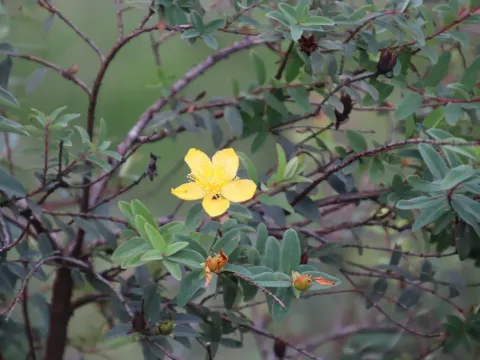
Hypericum pseudohenryi
Hypericum pseudohenryi
Hypericum pseudohenryi is a perennial herbaceous or semi-shrub plant belonging to the Hypericaceae family. It is gaining recognition as a valuable agricultural crop for both pharmaceutical and ornamental purposes due to its consistent secondary metabolite profile.
What the section contains
Hypericum pseudohenryi
Originating from the mountainous regions of China, this species is well-adapted to cool, temperate climates. It performs best in regions where it receives ample light, which is crucial for the development of its characteristic leaves and flowers.
The optimal soil for this crop is a well-drained, fertile loam with a slightly acidic to neutral pH. Proper soil preparation before planting is essential to ensure that water does not pool around the base, as the species is highly susceptible to root rot.
Regarding cultivation practices, moderate irrigation is required throughout the growing season, particularly during the budding phase. Mulching is highly recommended to conserve moisture and maintain a stable temperature around the root zone during winter months.
Plant density should be managed to ensure adequate airflow, which is critical for preventing moisture buildup in the canopy and reducing the risk of foliage diseases during the late summer humid period.
The primary threats to Hypericum pseudohenryi crops are fungal pathogens, specifically rust and wilt diseases, which thrive in high-humidity environments. Monitoring for early signs of lesions on leaves is essential for timely intervention.
Common pests include aphids, which cluster on tender terminal growth, and spider mites, which can become problematic during hot, dry spells. Root-feeding grubs can also cause significant damage in new plantations.
Integrated Pest Management (IPM) strategies, including crop rotation and the use of beneficial insects, are recommended to maintain ecological balance and ensure the safety of the harvested medicinal raw material.
Sanitation practices, such as the removal and destruction of infected plant debris at the end of the season, significantly reduce the primary inoculum load for the following year.
When chemical interventions are necessary, choosing systemic fungicides or insecticides with short pre-harvest intervals is vital to comply with safety standards for herbal medicine raw materials.