
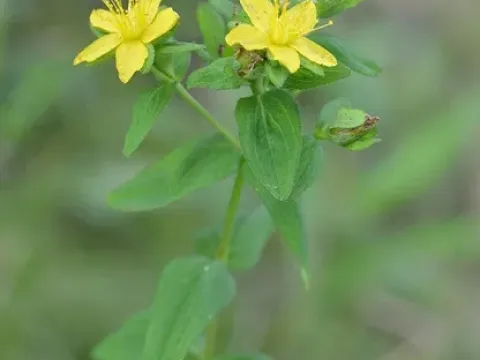
Hypericum oliganthum
Hypericum oliganthum
Sowing of Hypericum oliganthum in a commercial agricultural setting is ideally conducted in the spring as soon as soil temperatures reach a stable 10–12 degrees Celsius.
What the section contains
Hypericum oliganthum
Late autumn sowing is also a viable option, allowing seeds to undergo natural stratification, which often results in more uniform germination during the following spring.
Seed placement depth should remain shallow, typically around 0.5 to 1 centimeter, because the seeds are highly light-sensitive and require exposure for proper sprouting.
For optimal planting density, a row-cropping method with spacing between 45 and 60 centimeters is recommended to facilitate efficient mechanical inter-row cultivation.
During the first year, the crop exhibits slow initial growth, developing primarily as a basal rosette, which makes effective weed management during this phase critical.
Hypericum oliganthum belongs to the Hypericaceae family and performs best in well-drained sandy loam or light loam soils with a neutral to slightly acidic pH level.
This species is highly photophilous, meaning it requires full sun exposure to produce high concentrations of the essential active compounds found in its aerial parts.
While the plant is moderately drought-tolerant, supplemental irrigation is advisable during extended dry spells, particularly in the critical budding and flowering phases.
Climate preferences include temperate conditions with sufficient seasonal rainfall, as extreme humidity combined with poor drainage can negatively impact root health.
Optimal field preparation includes selecting sites that were previously planted with grain or cereal crops, which are known to leave the soil clean of long-term pathogens.
The yield of raw plant material is significantly influenced by soil fertility, irrigation management, and the age of the plantation, often peaking in the second or third year.
Balanced application of nitrogen and phosphorus fertilizers in early spring helps boost biomass production and ensures a higher quality of the harvested vegetative parts.
Regular maintenance of the inter-row spaces to prevent weed encroachment is essential for maximizing the resource availability for the crop plants throughout the season.
Harvesting should be timed precisely during the peak flowering stage to ensure the highest chemical profile of the plant for its intended agricultural or pharmaceutical use.
Properly managed plantations can remain productive for up to 5–7 years before a cycle of renovation or crop rotation becomes necessary to maintain high yield levels.
The primary agricultural threats to Hypericum oliganthum include various fungal infections, such as powdery mildew and fusarium wilt, which often arise in overly wet or poorly drained soils.
Soil-dwelling pests can also pose a significant challenge, especially in younger plantations, necessitating regular monitoring and integrated pest management strategies.
Weed pressure is a major limiting factor for crop development, so preventive mechanical weeding during the early stages of growth is considered a mandatory agrotechnical practice.
In case of disease outbreaks, the prompt removal and sanitary disposal of infected plants are critical to contain the spread of pathogens to the rest of the field.
Adhering to a robust crop rotation plan helps suppress soil-borne diseases and maintains the long-term phytosanitary quality of the agricultural area.
Harvesting involves mowing the aerial parts of the plants at a height of 10–15 centimeters, ensuring that the root crown remains intact for future regenerative growth.
The freshly harvested biomass should be moved to drying facilities promptly to prevent self-heating, which can degrade the plant's delicate pharmacological properties.
Drying is best accomplished in specialized drying chambers at temperatures not exceeding 45 degrees Celsius to preserve the essential natural color and quality.
Alternatively, air-drying in shaded, well-ventilated areas is effective if the material is spread in thin layers and turned periodically to ensure uniform moisture loss.
After reaching the target moisture level, the dried product should be cleaned of impurities and packaged in suitable containers to protect it from moisture and light exposure.