
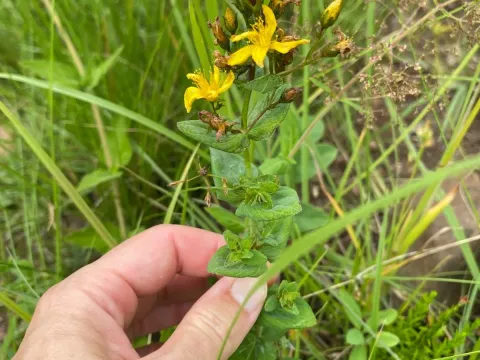
Hypericum aethiopicum
Hypericum aethiopicum
Hypericum aethiopicum is a perennial herbaceous plant belonging to the Hypericaceae family. Propagation is primarily achieved through seeds or vegetative division of mature rootstocks during the early spring season when the soil begins to warm up.
What the section contains
Hypericum aethiopicum
The ideal sowing window typically opens in mid-spring, allowing for established growth before the heat of summer. Seedlings may also be started in protected environments or nurseries to ensure better survival rates before transplanting into the open field.
Seeds of this species require light to germinate effectively; therefore, they should be sown on the surface of the prepared soil bed with only a very thin covering of fine substrate to prevent drying out while allowing light penetration.
In field production, row spacing is typically maintained between 45 to 60 centimeters. This distance provides adequate room for the root systems to expand and allows for efficient mechanized weeding and maintenance operations during the growing cycle.
Consistency in moisture levels is critical during the initial weeks following germination. Once the plants have established their secondary root systems, they become significantly more resilient to varying environmental conditions.
This crop thrives in well-lit areas with full sun exposure. While it exhibits some tolerance to partial shade, optimal biomass production and the development of secondary metabolites occur when the plants receive consistent daily sunlight.
Soil requirements focus on excellent drainage and a neutral to slightly acidic pH balance. Heavy clay soils that tend to hold excessive water should be amended with organic matter or sand to improve porosity and prevent root rot.
Temperature tolerance is a key characteristic of Hypericum aethiopicum, as it is adapted to moderate climatic variations. While it can handle dry spells, supplemental irrigation is recommended during prolonged droughts to maintain yield consistency.
Soil fertility management involves moderate application of balanced fertilizers. Phosphorus and potassium are particularly important for root development and overall plant vigor, while nitrogen application should be controlled to prevent excessive foliage growth.
Regular cultivation of the topsoil, particularly between rows, is necessary to minimize weed competition and improve gas exchange at the root level, which is vital for the plant's metabolic health and productivity.
Fungal diseases, including leaf spot and rust, can impact the health of the crop, especially in environments with high humidity and poor air circulation. Improving plant spacing is the first line of defense against these pathogens.
Insect pests such as leaf-eating beetles and thrips can cause significant damage to the vegetative tissue. Integrated Pest Management (IPM) practices, including the use of biological control agents, are highly recommended to keep populations below economic injury levels.
Root rot is a common threat caused by waterlogged conditions. Identifying the symptoms, such as wilting or chlorosis of the lower leaves, is essential for immediate remediation of the irrigation system to save the affected patches.
Crop rotation protocols should be strictly followed to prevent the buildup of soil-borne pathogens. A minimum of three years between planting Hypericum aethiopicum on the same site is advisable to maintain soil health.
Monitoring the field for signs of viral or bacterial infections is also important, as these can spread rapidly through contact or insect vectors. Rapid removal of infected plants can help isolate the problem and protect the rest of the crop.