
Hypericum
Hypericum hybrids
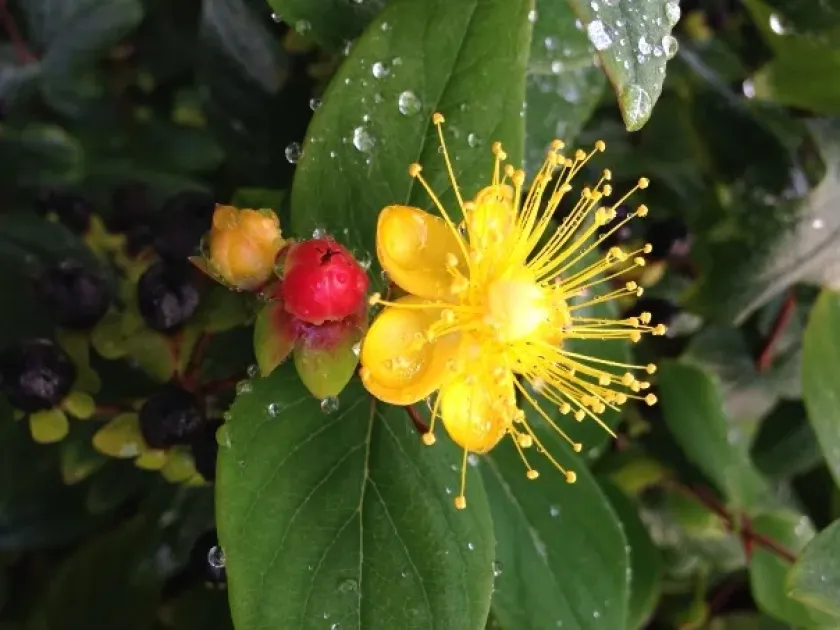
Description
Sowing dates
Sowing seeds of Hypericum hybrids in greenhouse conditions is usually carried out in late winter or early spring, specifically during February and March. The seeds require a period of stratification to increase germination rates; therefore, they are sown in trays with a light, nutrient-rich substrate and kept in a cool environment.
For propagation by cuttings, mid-summer is considered the optimal time, once the shoots have become semi-hardwood. Cuttings of 10-15 cm length should be rooted in propagators or nursery beds with high air humidity.
Transplanting seedlings to the open ground occurs after the risk of night frost has passed, typically in the second half of May. This allows the plants sufficient time to establish a root system before the onset of intense summer heat.
Planting spacing depends on the specific hybrid, but generally ranges from 30 to 50 cm. This spacing is crucial to ensure proper ventilation and prevent the development of fungal diseases.
For commercial production as a cut flower, plantings are planned in intensive nurseries where the planting density can reach 8-10 plants per square meter.
Growing requirements
Hypericum prefers sunny locations with light shade during the hottest hours of the day, which helps preserve the vibrant color of its decorative berries and foliage. The plant is quite adaptable but performs best in fertile, well-drained loamy soils.
Soil requirements include a neutral to slightly acidic pH. It is important to avoid sites with stagnant water, as the root system of hybrid St. John's wort is sensitive to excessive moisture and can be prone to root rot.
Regular watering is essential, particularly during the active growth and fruit-setting phases. While established plants have moderate drought tolerance, maintaining consistent soil moisture is necessary to produce high-quality stems for the floral market.
Fertilization should be applied twice per season using a balanced mineral fertilizer: once in early spring to stimulate vegetative growth and again at the beginning of the flowering stage to support berry development. Avoid excessive nitrogen, as it may lead to lush foliage at the expense of fruit production.
In temperate climates, hybrid forms require light winter protection, especially during the first few years. Mulching the root zone with peat or fallen leaves helps protect the root system from freezing temperatures.
Yield
The economic value of Hypericum lies in its decorative fruit capsules, which are highly sought after in the floral industry as a durable filler for bouquets. The harvest period typically occurs from late summer through autumn.
Yield per bush depends on the plant's age and management practices. A productive plant can yield between 20 and 50 stems of high-quality berries during a single growing season.
Product standardization requires the selection of stems with uniformly colored fruit, free from mechanical damage or signs of fungal infections on the leaves.
Once harvested, stems should be placed in water immediately to prevent wilting. The commercial vase life of cut Hypericum is generally 10 to 14 days, provided that the water is changed regularly.
Varieties with bright red, pink, or green berries hold the highest market value during the autumn season, when demand for such floral design elements peaks.
Main diseases and pests
Fungal diseases pose the primary threat to Hypericum, with rust being the most common, appearing as orange spots on the undersides of leaves. Preventive treatments with broad-spectrum fungicides are recommended for management.
Powdery mildew also frequently affects plantings, especially in conditions of high humidity and poor airflow. Proper pruning and ensuring good spacing are the best methods for controlling this pathogen.
Among pests, aphids and spider mites are common; they feed on the sap of young shoots and buds. In cases of severe infestation, the application of insecticides and acaricides is necessary.
Larvae of certain insects may damage the crown of the plant, leading to wilting. Regular monitoring of the root system helps in identifying and treating problems at an early stage.
- Regular disinfection of pruning tools after handling infected specimens.
- Removing all plant debris in autumn to prevent fungal spores from overwintering.
Harvesting
Stems are harvested when the fruit capsules have reached full size and have developed their characteristic color. Immature fruit is too soft and lacks commercial value.
Harvesting should be done in the morning hours when the plants are fully hydrated. This significantly extends the shelf life of the harvested material and improves its turgor.
Stems are cut using pruning shears, leaving 5-10 cm of the shoot above the ground to facilitate proper bush regeneration for the following season. Avoid leaving excessively long stubs, as they can become sites for infection.
After harvest, the product is sorted by stem length, berry quality, and color intensity. The entire lot must undergo rigorous inspection to ensure it is free from pests.
Transportation is carried out in an upright position in specialized water-filled containers or in refrigerated chambers at temperatures between +2 and +5 degrees Celsius.