
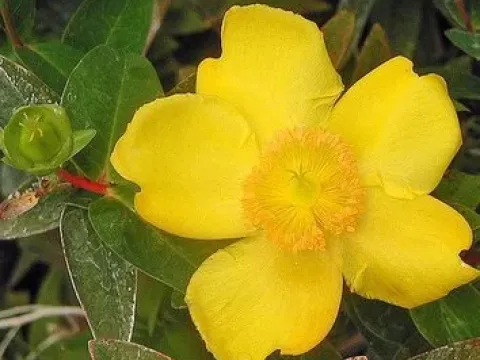
Hypericum cerastioides
Hypericum cerastioides
Hypericum cerastioides is typically propagated via division or stem cuttings during the early spring. Division helps in maintaining the health and vigor of older, established specimens.
What the section contains
Hypericum cerastioides
Seed propagation is also possible but requires stratification. Sowing should take place in late winter in a controlled environment to ensure successful germination rates.
When transplanting into the garden, ensure that the site has excellent drainage to prevent early root shock. Space plants appropriately to allow for their natural spreading habit.
Soil preparation before planting includes loosening the earth to a depth of 20 centimeters. Incorporating organic matter is beneficial, provided the soil remains light and well-aerated.
Regular watering is essential immediately after planting until the root system has fully established itself in the new location, typically within the first month.
Belonging to the Hypericaceae family, this species is a charming, low-growing perennial native to the mountainous regions of the Balkans. It is highly valued for its yellow flowers.
The plant thrives in full sun exposure. While it is adaptable, shaded locations will significantly reduce its flowering capacity and lead to sparse, leggy growth.
It prefers gritty, well-drained soil types. It is particularly well-suited for rock gardens and borders where moisture control is easier to manage than in heavy garden soil.
Hypericum cerastioides is remarkably drought-tolerant once established. It requires minimal supplemental watering, making it an excellent choice for low-maintenance landscapes.
The plant is hardy in temperate climates. Providing a light layer of mulch during winter is a recommended practice to protect the crown from extreme frost cycles.
The primary concern for this crop is root rot, which is caused by poor soil drainage and waterlogging. Preventing stagnant water is the most critical management step.
Pests like aphids may occasionally infest young shoots. Monitoring for these insects during the spring growth flush is advised, with manual removal or light insecticidal soap application.
Fungal leaf spots can occur under conditions of high humidity and poor air circulation. Thinning out overcrowded plants helps maintain a healthy microclimate.
Always sanitize gardening tools when pruning or dividing the plant to prevent the spread of pathogens from one section of the garden to another.
Maintaining a weed-free environment around the base of the plant ensures that it does not compete for nutrients or moisture, keeping it robust and disease-resistant.