
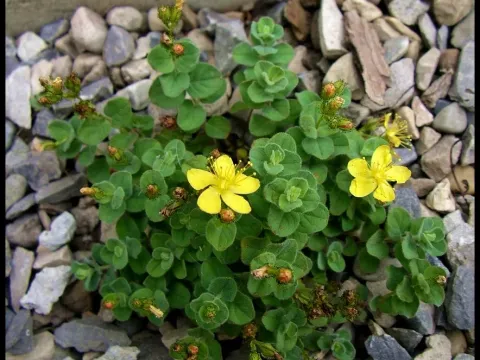
Hypericum athoum
Hypericum athoum
The planting of Hypericum athoum seeds is typically conducted in early spring once the soil temperature consistently reaches 10-12 degrees Celsius. Alternatively, autumn sowing is possible in regions with mild winters to allow for natural seed stratification.
What the section contains
Hypericum athoum
As the seeds are extremely small, they should be sown on the surface or buried no deeper than 0.5 centimeters. Ensuring a light, loose soil structure is crucial for facilitating the emergence of these delicate seedlings.
Field production is usually organized in rows with a spacing of 45-60 centimeters. This row arrangement simplifies the maintenance of the plantation, allowing for mechanical weed control and easier access during the harvest season.
During the first year, the plant focuses on establishing its root system and developing a low rosette of leaves. Significant stem growth suitable for commercial harvest typically begins in the second year of cultivation.
Applying a thin layer of mulch after sowing can help retain essential moisture in the topsoil. This practice is vital for the germination of small seeds and prevents the soil from crusting, which could hinder seedling growth.
Hypericum athoum is a light-loving perennial that thrives in open areas receiving direct sunlight throughout the day. It belongs to the Hypericaceae family and requires high light intensity to maximize the production of its medicinal compounds.
The species prefers well-drained, sandy loam, or light loamy soils. It is highly sensitive to waterlogged conditions, which can quickly lead to root rot and the loss of the entire crop, so site selection should prioritize soil porosity.
The ideal soil pH ranges from slightly acidic to neutral. Before establishment, it is critical to thoroughly clear the plot of perennial weeds, as young Hypericum plants struggle to compete during their slow initial growth phase.
While the plant is notably drought-tolerant, supplemental irrigation during extreme summer heat significantly boosts biomass production. Balancing irrigation is key, as the plant needs enough water to grow but cannot tolerate stagnant moisture.
Hypericum athoum exhibits good cold hardiness, but in regions with harsh, snowless winters, light protective covering may be beneficial. This ensures the survival of the crown and facilitates faster regrowth in the subsequent spring.
Yields of Hypericum athoum increase steadily, peaking between the third and fourth years of cultivation. With optimal management, a single plantation can remain productive for up to 5-6 years before needing replacement.
Under favorable conditions, yields of dry aerial biomass can reach 1.5 to 2.5 tonnes per hectare. The total output is heavily influenced by the amount of solar radiation during the flowering phase, which correlates with the plant's metabolic activity.
Quality is measured by the concentration of hypericin and other secondary metabolites. Farmers must time the harvest precisely during peak bloom to capture the highest concentration of these active pharmacological components.
After five or six years, the aging root system may lead to a natural decline in productivity. At this stage, it is advisable to clear the area and prepare it for crop rotation to restore soil health and avoid pathogen buildup.
Post-harvest handling is critical for maintaining yield quality. Proper drying techniques ensure that the plant material retains its active properties and marketability, minimizing losses due to decomposition or quality degradation.
Fungal diseases, such as rust and powdery mildew, are the primary threats to Hypericum athoum, particularly in high-humidity climates. Ensuring proper spacing and airflow between plants is the most effective preventative measure.
Root rot is a major risk on heavy or poorly drained soils. Maintaining proper drainage and avoiding over-irrigation are essential cultural practices to prevent this persistent and damaging disease from affecting the plantation.
Pests like spider mites and various leaf-eating insects may damage the foliage during hot, dry spells. Regular monitoring and the use of targeted biological controls are recommended to preserve the integrity of the medicinal harvest.
Aphids occasionally colonize tender shoot tips, potentially reducing plant vigor. Localized interventions using organic-compliant soaps or oils are generally sufficient to manage populations without damaging the plant's active components.
Weed competition poses a significant threat during the establishment year when the plant grows slowly. Regular manual or mechanical weeding is essential to prevent competitive species from shading out the young Hypericum crop.
The harvest should occur during the full bloom phase when the flowers are vibrant and the concentration of active medicinal compounds is at its highest. This timing is essential for meeting industry quality standards.
The top 20-30 centimeters of the flowering shoots are harvested. Leaving a portion of the stem intact helps the plant recover quickly and supports its long-term health throughout the growing season.
Harvesting is best performed in the morning after the dew has evaporated but before the heat of the day reaches its peak. This ensures that the plant material is dry and minimizes the degradation of delicate essential oils.
Immediately after cutting, the harvest should be moved to a clean, well-ventilated drying facility. Temperatures should be kept below 40 degrees Celsius to prevent the volatile active compounds from evaporating or denaturing.
After drying, the product should be packed in breathable material to prevent moisture accumulation. Proper storage in a cool, dark environment maintains the medicinal potency and ensures the product remains shelf-stable for transport.