
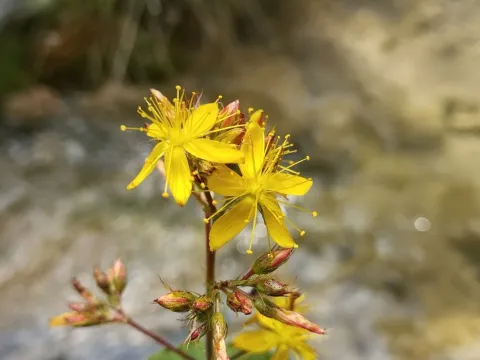
Hypericum caprifolium
Hypericum caprifolium
Sowing Hypericum caprifolium for commercial production is typically performed during late autumn or early spring once soil temperatures reach 5 to 8 degrees Celsius. Due to the extremely small size of the seeds, they must be sown at a shallow depth of no more than 0.5 to 1 centimeter.
What the section contains
Hypericum caprifolium
When sowing in the spring, maintaining adequate moisture in the topsoil layer for the first three weeks is crucial for success. Professional agronomists often recommend stratifying the seeds for 30 to 45 days in low-temperature conditions to improve overall germination rates.
Optimal planting layouts involve row spacing of 45 to 60 centimeters, which allows for efficient mechanical weeding and soil maintenance. The target seeding rate is approximately 2 to 3 kilograms per hectare, provided the seeds meet high quality and purity standards.
Seedlings emerge relatively slowly, usually within 14 to 20 days post-planting. During this sensitive phase, the crop is highly vulnerable to weed competition, making meticulous field preparation and early weed management essential for a uniform stand.
For larger commercial plantations, starting with seedlings is an effective alternative to direct seeding. This method allows for better control over early plant development and typically leads to more consistent results during the first year of production.
Hypericum caprifolium belongs to the Hypericaceae family and is a perennial herb with specific requirements regarding light exposure. The crop thrives in open, sunny locations, as shading significantly reduces the concentration of active medicinal compounds in the foliage.
The preferred soil types for this species are light-textured soils, such as sandy loams or well-structured chernozems with excellent drainage. The plant is highly sensitive to waterlogging and high groundwater levels, both of which can trigger severe root rot and plant loss.
The optimal pH range for successful Hypericum cultivation is between 6.0 and 7.0. Applying organic matter during the year preceding planting significantly enhances soil structure and boosts the overall vitality and productivity of the plantation over time.
The plant exhibits moderate cold hardiness but may require protective measures in regions with harsh winters lacking snow cover. Applying mulch around the base of the plants can help protect the root system from freezing and ensure early spring regrowth.
Throughout the active growing season, this crop responds well to potassium and phosphorus fertilization. Balanced nutrient application supports biomass production and improves the chemical profile of the harvested raw material, which is critical for market quality.
Yield levels for Hypericum caprifolium depend heavily on the age of the plantation and the provided agrotechnical management. By the second or third year, a well-managed crop can produce between 15 and 25 centners of dry herbal mass per hectare.
The first harvest is usually performed in the second year of growth when the plants are in full bloom. This stage is critical because the concentration of secondary metabolites peaks, ensuring the highest market value for the harvested product.
A productive plantation can last between 5 and 7 years with consistent care and management. Beyond this point, natural stand thinning usually occurs, which necessitates crop rotation and the establishment of new planting sites to maintain yield efficiency.
Factors limiting yield typically include moisture stress during critical growth stages and failure to maintain the optimal plant population density. Optimizing row spacing and density for specific regional climates is essential to ensure resources are used effectively.
Proper harvesting technique is a key determinant of long-term productivity. Ensuring that sufficient rosette development remains after the harvest allows the plant to store necessary energy reserves for robust growth in the following season.
Common diseases affecting Hypericum caprifolium include fungal infections like fusarium wilt and various leaf spots. The development of these pathogens is usually promoted by high humidity and poor airflow within the crop canopy.
Pests such as leaf beetles and weevils can cause significant damage to the foliage, impacting plant health. In hot, dry weather, spider mites may become a problematic issue, as they can rapidly multiply and cause extensive damage if left unchecked.
The primary strategy for managing these threats is strict adherence to crop rotation principles. Avoiding the placement of Hypericum on plots previously occupied by other members of the Hypericaceae family is vital to prevent the buildup of soil-borne pathogens.
Chemical control must be applied with extreme caution given the medicinal nature of the plant. Priority should be given to biological control agents and integrated pest management practices that minimize chemical residues in the final herbal product.
Regular field scouting during the spring and summer is essential for detecting early signs of infection or infestation. Removing affected plants promptly can effectively contain local outbreaks and prevent the need for broad-spectrum chemical interventions.
The harvest is conducted during the full flowering phase, after most of the flowers have opened but before significant seed development occurs. This timing is ideal for capturing the peak concentration of active ingredients in the plant tissue.
The harvesting process involves cutting the upper portion of the stems at a height of 10 to 15 centimeters above the soil. Using mechanical harvesters significantly increases efficiency and reduces the manual labor required for large-scale operations.
Harvested material must be transported to the drying facility immediately to prevent fermentation. Freshly cut biomass should never be stored in large piles, as it quickly generates heat and degrades, leading to a significant loss in product quality.
Drying is best performed in professional drying chambers at temperatures ranging from 40 to 50 degrees Celsius or in well-ventilated, shaded facilities. Proper drying preserves the natural color and aroma, which are essential benchmarks of premium quality.
Once dried, the material is sorted and packaged for storage. It is vital to maintain low humidity in storage areas, as any moisture exposure can lead to mold development, resulting in the spoilage of the entire batch of harvested material.