
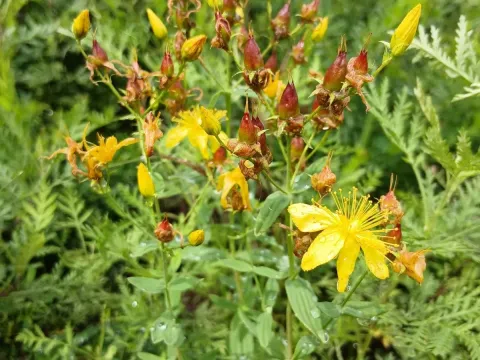
Hypericum attenuatum
Hypericum attenuatum
Hypericum attenuatum is a perennial herbaceous plant belonging to the Hypericaceae family. It is recognized as a significant species for its medicinal properties and chemical composition.
What the section contains
Hypericum attenuatum
The sowing process is typically carried out in the spring once soil temperatures reach 10-12 degrees Celsius. Fall sowing is also an option, leveraging natural cold stratification for better germination.
Given the minute size of the seeds, they should be sown at a shallow depth of approximately 0.5 to 1 cm. Uniform distribution and light soil pressing are crucial for successful establishment.
Initial growth is slow, with the plant forming a basal rosette during the first year. Proper weed management during this phase is essential for the healthy development of young seedlings.
Sowing density should be managed to ensure adequate space for the root system, which serves as the anchor for long-term production cycles in agricultural settings.
This species thrives in sunny, well-lit environments. Exposure to direct sunlight is a key factor in maximizing the concentration of therapeutic compounds within the aerial parts of the plant.
Well-drained soils, preferably sandy loam or light clay soils, are ideal for Hypericum attenuatum. Waterlogging should be strictly avoided to prevent root rot and ensure plant longevity.
The plant prefers a neutral or slightly acidic soil pH. Pre-planting soil tests are recommended to determine if any amendments or specific nutrient supplements are necessary for optimal growth.
It displays strong hardiness, having evolved in temperate Asian climates. It is well-adapted to seasonal temperature variations, allowing it to withstand regional climate challenges effectively.
While the plant is relatively hardy, consistent moisture is vital during the peak growing season. Irrigation management is required in regions experiencing dry spells to maintain high biomass production.
Commercial yields typically mature by the second growing season. Under optimal conditions and proper management, the crop is highly productive and provides a consistent harvest over several years.
Expected yields of air-dried raw material range from 1.5 to 3 metric tons per hectare. Harvesting at the peak of the flowering phase ensures the highest levels of active pharmacological ingredients.
The primary use of this crop is in the pharmaceutical industry. The plant is valued for its antibacterial and anti-inflammatory properties, making it a staple in herbal medicine formulations.
Processing efficiency is paramount to maintaining quality. Drying techniques must be controlled carefully to prevent the degradation of heat-sensitive compounds found in the leaves and flowers.
Cultivation of this herb offers potential for sustainable income for farmers focusing on high-value niche medicinal crops in the global market.
Fungal pathogens such as Fusarium and powdery mildew represent the primary risks to the crop, especially in conditions of high humidity or poor air circulation within the field.
Common pests like aphids or leaf-feeding beetles can affect plant vigor. Integrated pest management practices should be employed to monitor and control populations before they reach economic damage levels.
Crop rotation is essential to prevent the buildup of soil-borne diseases. A break period of at least 4-5 years is recommended before returning this herb to the same plot of land.
Maintaining clean field edges and proper spacing between rows helps facilitate better airflow, which significantly reduces the incidence of plant stress and pathogenic outbreaks.
The use of sustainable and biological control methods is encouraged to ensure the final product meets safety standards for medicinal use, free from toxic pesticide residues.
Harvesting is ideally performed during clear, dry weather at the full bloom stage. This practice protects the raw material from rapid decay and ensures a higher visual and chemical quality.
The stems should be cut approximately 25 cm from the base to allow for regrowth in the following season. Using sharp, calibrated machinery helps in performing clean cuts without damaging the root crown.
Rapid transport to the drying facility is mandatory to prevent fermentation of the harvested biomass. Fresh green matter can lose quality within hours if exposed to excessive heat in piles.
Drying should take place in shade-covered, well-ventilated areas or controlled-temperature ovens at no more than 45 degrees Celsius to preserve volatile oils and bioactive compounds.
Final storage must be in dark, dry environments using breathable packaging. Following these post-harvest protocols ensures the medicinal efficacy of the herb remains intact for up to three years.