
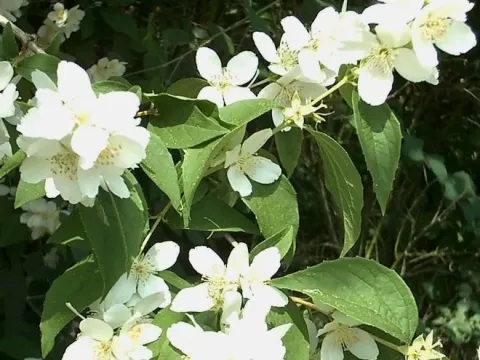
Philadelphus kansuensis
Philadelphus kansuensis
Philadelphus kansuensis is a deciduous ornamental shrub belonging to the Hydrangeaceae family. Native to the Gansu province of China, it is highly regarded for its attractive flowering patterns and upright, sturdy growth habit, making it an excellent candidate for temperate gardens.
What the section contains
Philadelphus kansuensis
The plant typically features simple, opposite leaves with distinct venation. Depending on the microclimate, it can reach heights of up to three meters, providing a dense structure that is ideal for hedge planting or as a focal point in a mixed border.
Regarding site requirements, this shrub thrives in well-drained, fertile soils with a slightly acidic to neutral pH. It performs best in sunny locations, although partial shade during the hottest hours of the afternoon is beneficial to maintain the vibrancy of the foliage.
The agronomic management includes consistent watering during the growing season, especially in the first few years after planting. It is important to avoid waterlogging, as the root system of Philadelphus kansuensis is susceptible to rot in heavy, poorly drained clay soils.
Pruning is a critical management practice. It should be performed immediately after the flowering period concludes. By removing older, woodier stems, gardeners can stimulate the growth of new, vigorous shoots that will produce flowers for the following season.
Common pests associated with this species include aphids, which tend to infest the soft tips of new growth. Monitoring during the spring months is essential to catch early infestations before they cause significant damage to the plant's aesthetic appeal.
Powdery mildew is the most frequent fungal issue, particularly in humid climates with poor airflow. It appears as a white, dusty coating on the leaves and can lead to premature leaf drop if not managed properly through improved spacing and airflow.
To mitigate disease risks, avoid overhead irrigation, which keeps the leaf surface unnecessarily damp. Instead, focus on root zone watering to ensure the foliage stays dry throughout the day, which significantly hinders the germination of fungal spores.
Scale insects may occasionally appear on the stems, requiring manual removal or the application of horticultural oils. Maintaining a vigorous, healthy plant through proper fertilization and watering is the best natural defense against most pests and diseases.
Finally, always sanitize pruning tools between cuts, especially if working on infected areas. Proper hygiene in the garden setting prevents the transmission of pathogens from one shrub to another, ensuring the long-term health of the entire planting area.