
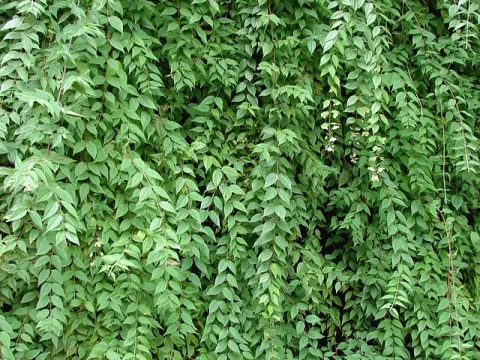
Philadelphus karwinskyanus
Philadelphus karwinskyanus
Philadelphus karwinskyanus is an ornamental shrub belonging to the Hydrangeaceae family. Native to the mountainous regions of Mexico, this plant is valued for its delicate flowers and ability to thrive in warm, temperate climates where it can express its true botanical beauty.
What the section contains
Philadelphus karwinskyanus
The cultivation of this species requires a location with full sun to partial shade. Exposure to direct sunlight is essential for prolific flowering; however, in regions with very intense heat, afternoon shade can help prevent the plant from experiencing excessive water stress.
This shrub performs best in well-drained, fertile soil with a neutral to slightly acidic pH. Good soil structure is crucial, as the roots are sensitive to prolonged waterlogging. In heavy clay soils, it is highly recommended to amend the planting hole with organic matter and drainage materials like sand or gravel.
Agrotechnical practices focus on consistent watering during the growing season, particularly during dry spells. Mulching the base of the shrub helps to retain soil moisture and suppress weed growth, which allows the root system to remain cool and stable throughout the summer.
Pruning is a fundamental aspect of its maintenance. It should be performed immediately after the flowering period to encourage the development of vigorous new shoots. This timing ensures that next year’s floral buds are formed on healthy, wood-matured branches.
Aphids are the most common pests that target the soft, young foliage of Philadelphus karwinskyanus. These insects typically appear in early spring, and if left untreated, they can cause leaf curling and attract ants, which feed on the honeydew secreted by the pests.
Spider mites can also become problematic during periods of high temperature and low humidity. Their presence is usually indicated by tiny yellow spots on the leaves and fine webbing. Regular misting or the use of specific acaricides can manage these populations effectively.
Fungal diseases like powdery mildew may occur if the shrub is planted in areas with poor air circulation. This appears as a white, dusty coating on the leaf surface, which can weaken the plant and reduce its aesthetic value significantly during the growing season.
Root rot is a major threat in soils with poor drainage. It is characterized by wilting, chlorosis, and general decline of the plant’s health. Prevention remains the best strategy, focusing on site selection and avoiding excessive watering during cooler, damp months.
Key plant health management steps include:
- Regular inspection of the foliage for early signs of pests.
- Annual pruning to improve airflow and reduce humidity around the stems.
- Application of suitable fungicides or insecticides only when clearly necessary.