
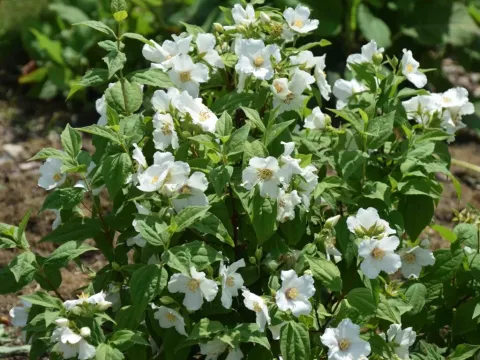
Philadelphus polyanthus
Philadelphus polyanthus
Philadelphus polyanthus is a notable species within the Hydrangeaceae family, characterized by its abundant and fragrant flowering cycle. As a deliberate hybrid selection, it is prized in horticulture for its vigorous growth habit and high aesthetic appeal in temperate landscape designs.
What the section contains
Philadelphus polyanthus
The cultural requirements for this shrub include a preference for full sun to light shade locations where it can access moderate air circulation. It thrives best in fertile, well-draining soil with a neutral pH level, avoiding heavy clay substrates that may lead to root asphyxiation during wet periods.
Climatic adaptability is a hallmark of this plant, which demonstrates hardiness against seasonal temperature fluctuations. Consistent irrigation is required during the initial establishment years and throughout dry summer months to ensure the plant maintains its structural integrity and flower production.
Maintenance practices center on annual pruning strategies to manage the shape and vitality of the specimen. By removing older stems immediately after the flowering period, gardeners can encourage the development of robust new growth that will host the following season's floral displays.
In terms of agricultural and horticultural use, this shrub is essential for border plantings and ornamental screens. Its ability to integrate into diverse garden styles, from formal English gardens to naturalistic planting schemes, highlights its versatility as a cornerstone decorative plant.
Common pests affecting this species include aphids and spider mites, which typically colonize the undersides of leaves or tender new growth. Integrated pest management strategies, such as physical removal or the use of systemic insecticides, are recommended when population thresholds are exceeded.
Pathological concerns involve leaf spot diseases and potential fungal infections during periods of prolonged humidity. Ensuring proper spacing between plants during installation remains the most effective cultural method to mitigate the risk of fungal spread throughout the shrub canopy.