
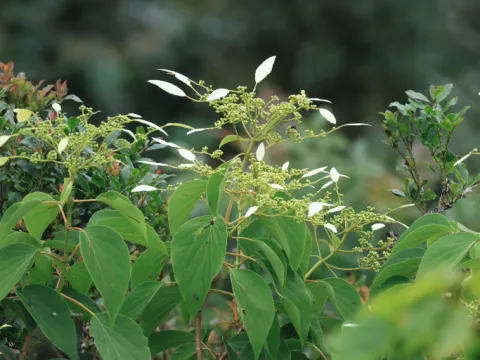
Hydrangea fauriei
Hydrangea fauriei
Hydrangea fauriei belongs to the Hydrangeaceae family and is recognized as a distinctive deciduous shrub. This species is valued for its unique botanical traits and specific structural morphology, which distinguishes it from more common hydrangea varieties found in commercial landscaping and home gardening.
What the section contains
Hydrangea fauriei
The plant originates from the eastern regions of Asia, where it typically inhabits humid forest fringes and protected valleys. Its native environment is characterized by moderate temperatures and relatively high humidity levels, which dictates the primary requirements for its successful cultivation in garden settings.
Successful growth requires well-draining, slightly acidic soil enriched with organic matter. Growers should ensure that the planting site offers protection from harsh midday sunlight, as intense heat can scorch the foliage and cause stress to the plant. Incorporating peat or leaf mold during planting helps maintain the desired soil pH and moisture retention.
Climate management is crucial, particularly during the transition between seasons. Hydrangea fauriei thrives in regions with mild summers and consistent moisture. In climates that experience freezing winters, it is highly recommended to protect the root system and primary branches with protective coverings or mulch to prevent frost damage to the dormant wood.
The primary use of this species is in ornamental horticulture. It serves as an excellent decorative element for shaded garden borders, woodland gardens, or as a focal point in landscape design. Its aesthetic appeal during the blooming season makes it a desirable choice for collectors interested in rare or less common hydrangea varieties.
The most frequent health issues include fungal pathogens such as powdery mildew, which often develop when air circulation around the shrub is poor. Ensuring proper spacing between plants and implementing effective pruning techniques can significantly reduce the risk of such infections throughout the growing season.
Pest pressures often involve common threats like aphids and spider mites, which can proliferate during extended dry periods. Vigilance during the peak of summer is essential, as these pests can rapidly weaken the plant by feeding on sap and foliage. Application of horticultural soaps or selective insecticides is often effective in managing these infestations.