
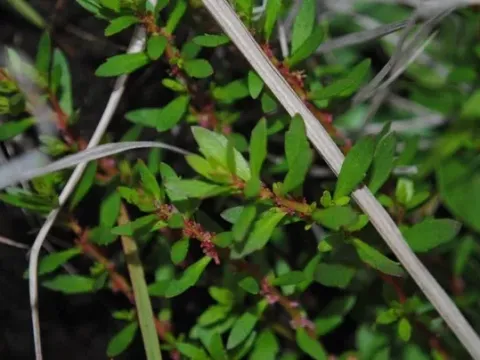
Laurembergia tetandra
Laurembergia tetandra
Laurembergia tetandra is a perennial herbaceous plant belonging to the Haloragaceae family. It is recognized for its preference for wetland habitats, showing a strong evolutionary adaptation to hygrophytic conditions where water availability is constant throughout the growing season.
What the section contains
Laurembergia tetandra
The origin of this species is rooted in the tropical and subtropical regions of Africa and Asia. It typically thrives in ecosystems such as riverbanks, marshes, and humid forest understories, which dictate the specific requirements for its cultivation in agricultural settings.
Botanically, the plant features delicate, branching stems and small leaves arranged to maximize photosynthesis in low-light, high-moisture environments. Its reproductive cycle is highly dependent on humidity levels, requiring specific environmental cues for seed germination and successful flowering.
Successful cultivation requires soil that mimics natural floodplains: rich in organic matter, porous enough for gas exchange, yet capable of high water retention. Growers often utilize substrates composed of specialized peat mixes or hydroponic systems to ensure optimal moisture levels.
Temperature is a critical factor, with the plant performing best in a range between 20°C and 28°C. Tolerance to colder temperatures is low, as the plant exhibits significant physiological stress when exposed to temperatures below 15°C, leading to stunted growth or tissue necrosis.
Major threats to Laurembergia tetandra include fungal pathogens such as Pythium and Phytophthora, which flourish in poorly aerated or waterlogged conditions. These pathogens primarily target the root system, causing decay that can rapidly destroy entire crop patches.
Foliar diseases, including leaf spot pathogens like Cercospora, are prevalent when air circulation is inadequate. These infections manifest as chlorotic or necrotic spots on the foliage, significantly reducing the commercial value of the harvested biomass if not addressed early.
Pests such as aphids and spider mites are frequent invaders in controlled growing environments. These insects thrive in humid conditions and can cause significant damage to the plant's vascular system, leading to yellowing leaves and reduced vitality of the individual specimens.
Soil-borne nematodes pose a significant risk in field cultivation, as they impede root development and nutrient uptake. Management strategies often involve crop rotation, the use of sterilized growing media, and the application of biological control agents to mitigate population growth.
Maintaining a clean cultivation area and removing dead plant material are essential phytosanitary practices. Implementing an integrated pest management (IPM) approach helps to reduce the need for harsh chemicals, ensuring the health of the plant and the quality of the final product.