
Myriophyllum laxum
Myriophyllum laxum
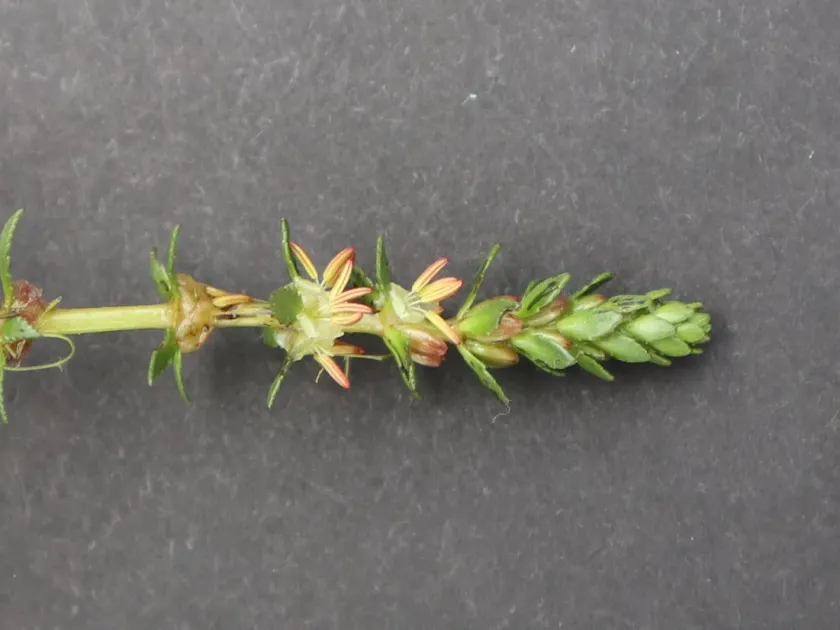
Description
Growing requirements
Myriophyllum laxum, commonly known as loose watermilfoil, is an aquatic plant species belonging to the Haloragaceae family. It is primarily an submerged perennial that thrives in freshwater environments such as ponds and sluggish streams.
The plant features delicate, feathery leaves arranged in whorls along fragile stems. This morphology is highly adaptive, allowing the plant to absorb dissolved nutrients directly from the water column while stabilizing itself in the substrate.
The native range of this species is largely confined to the southeastern United States. It flourishes in areas where the water is clear and the sediment is rich in organic matter, providing a stable foundation for root development.
Optimal growth requires consistent lighting and moderate water temperatures. It is particularly sensitive to water chemistry changes, preferring slightly acidic to neutral conditions to maintain its structural integrity and photosynthetic efficiency.
In ornamental applications, Myriophyllum laxum is valued for its lush, green appearance and its ability to provide oxygenation. It serves as an excellent hiding spot for small fish and invertebrates, contributing significantly to the health of the aquatic ecosystem.
Main diseases and pests
Environmental degradation, particularly eutrophication, poses the most significant threat to Myriophyllum laxum populations. Excess nutrients trigger algae blooms that block sunlight and smother the submerged foliage, leading to rapid decline.
Fungal infections can become prevalent if the plant is stressed by improper lighting or fluctuating water quality. These infections often manifest as necrosis on the leaf tips, which can spread to the stem if not addressed promptly.
Pests such as aquatic snails and certain larvae may feed on the tender parts of the plant. While limited grazing is natural, an overpopulation of these pests can severely weaken the plant and reduce its aesthetic value.
Rapid changes in water temperature can interrupt the plant's metabolic cycles, making it susceptible to pathogens. Maintaining a stable temperature is crucial for the long-term survival of this species in cultivated settings.
Proactive management includes regular water quality testing and mechanical removal of competing invasive algae. Keeping the water clean and well-oxygenated is the best strategy to prevent common diseases and pest infestations.