
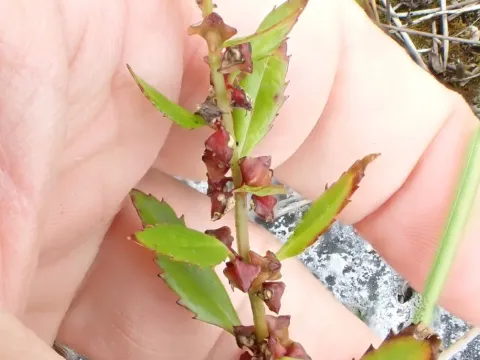
Haloragis erecta
Haloragis erecta
Sowing Haloragis erecta seeds is typically initiated in early spring. It is recommended to start the process in seed trays under protected conditions to ensure optimal germination rates before transferring to the final growing location.
What the section contains
Haloragis erecta
The seeds require a moist, fine-textured growing medium with a temperature range of 18–22 degrees Celsius to thrive. Light coverage during sowing helps maintain the necessary moisture levels for the seeds to break dormancy.
Once seedlings reach a manageable size, they should be transplanted into individual pots to develop a robust root system. This stage is crucial for ensuring the plants have enough vigor before being planted outdoors in late spring.
Vegetative propagation via cuttings is a highly effective alternative to seeding. Using apical stem cuttings in early summer allows for a more uniform crop and preserves the genetic traits of the mother plant.
Hardening off the plants is a mandatory step before full outdoor exposure. Gradually introducing the young shrubs to external wind and sunlight conditions prevents shock and promotes stronger, more resilient growth.
Haloragis erecta, a member of the Haloragaceae family, thrives in locations with full sun to partial shade. Exposure to adequate light is essential for maintaining the plant's structural integrity and intense leaf coloration.
The species requires well-drained, fertile soil to prevent root issues. In regions with heavy clay soils, it is recommended to incorporate organic matter or coarse sand to improve drainage and prevent water stagnation.
Watering management is key to successful cultivation. While the plant is moderately drought-tolerant once established, it requires consistent moisture during periods of intense heat to maintain foliage quality and decorative appeal.
Nutrient requirements are moderate. Applying a balanced liquid fertilizer during the active growing season encourages lush growth, but over-fertilization should be avoided to prevent excessive, weak stem development.
Protection from frost is necessary in colder climates. Since the plant is generally frost-tender, it is frequently grown in containers or as an annual in cooler temperate regions to ensure it does not succumb to winter damage.
Root rot is the primary threat to the health of Haloragis erecta. This condition is almost exclusively associated with improper drainage and excessive watering, necessitating strict adherence to irrigation schedules.
Pests such as aphids and spider mites may occasionally infest the foliage, particularly under hot and dry atmospheric conditions. Regular scouting is essential for early detection and mitigation of these common threats.
Poor air circulation around the plants can promote the development of powdery mildew and other fungal pathogens. Strategic pruning to thin out the canopy is an effective way to improve airflow and disease resistance.
Environmental stress, such as sudden fluctuations in soil moisture or pH levels, can weaken the plant's immune system, making it more susceptible to opportunistic diseases that can rapidly affect the plant's health.
Integrated pest management, including the use of neem oil or insecticidal soaps, is recommended when pest thresholds are reached. Always ensure that the selected control method is safe for the specific variety being grown.