
Wavy hair-grass
Avenella
Description
Growing requirements
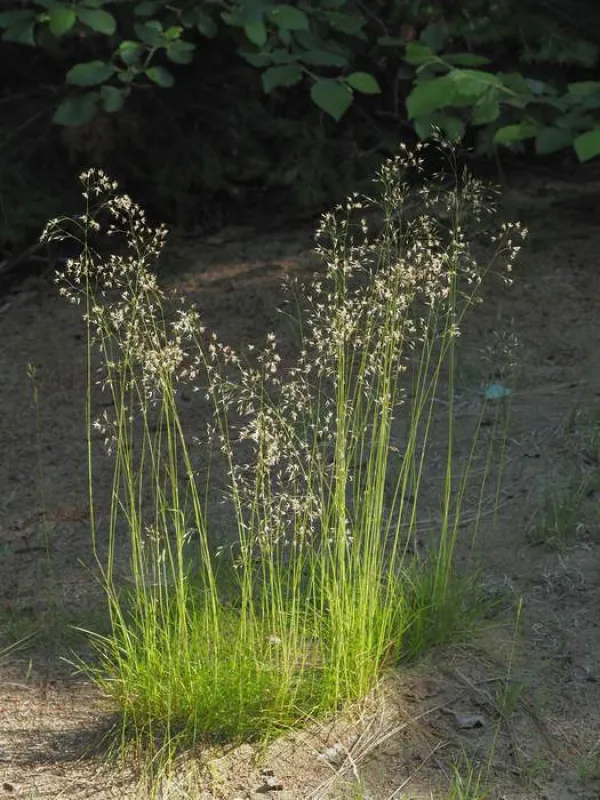
Wavy hair-grass (Avenella flexuosa) is a hardy perennial grass belonging to the Poaceae family. Known for its delicate, thread-like foliage and slender, wavy flowering panicles, it is a recognizable species in various temperate ecosystems.
The native range of this grass spans across the Northern Hemisphere, where it thrives in woodlands, heaths, and rocky terrains. It is particularly well-adapted to acidic, nutrient-poor, and well-drained soils where many other grass species struggle to establish themselves.
Regarding soil requirements, Avenella flexuosa prefers light, sandy, or gravelly soils. It avoids heavy, waterlogged clay, as stagnant moisture around the roots can lead to plant decline and death. The species is highly tolerant of low pH levels, making it a pioneer plant in acidic soils.
Climatic adaptability is one of its core strengths; it flourishes in cool to moderate climates and displays excellent cold hardiness. It can withstand harsh winters and is capable of surviving in exposed environments where wind and cold are constant factors.
In terms of agricultural and land-use applications, it is primarily used for site restoration and soil stabilization projects. Due to its dense root system, it acts as a natural binder for loose, erodible substrates, helping to prevent land degradation in ecological reclamation zones.
Main diseases and pests
The primary threats to Wavy hair-grass include fungal pathogens such as powdery mildew and various rusts that thrive in high humidity. These diseases typically manifest during periods of poor air circulation within the grass clumps.
Insect pests such as aphids and grass-specialized mites can cause significant damage to the plant's vigor. They typically attack during the spring flush, sucking sap from the tender new leaf tissue and weakening the plant structure.
Effective management against these threats involves ensuring adequate plant spacing to allow for airflow, which reduces the moisture trapped between blades and lowers the risk of fungal outbreaks.
Cultural control methods are preferred, including the removal of dead biomass in early spring to eliminate overwintering sites for both pathogens and pests, ensuring healthy regrowth for the new season.
When chemical intervention is required to manage severe pest outbreaks, it is essential to select targeted products that minimize the impact on local pollinators and beneficial insects often associated with grass habitats.