
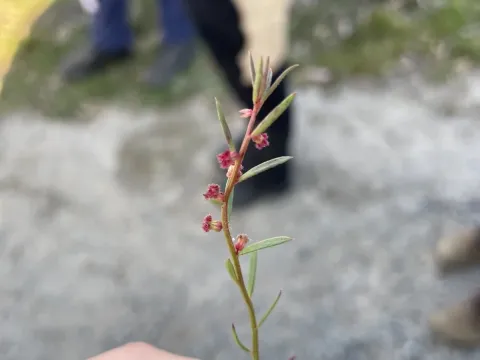
Haloragis heterophylla
Haloragis heterophylla
Haloragis heterophylla is a perennial herbaceous plant belonging to the Haloragaceae family. In agricultural practices, it is valued for its hardiness and ability to adapt to various environmental conditions within its native range.
What the section contains
Haloragis heterophylla
The sowing process should be initiated during the spring season when soil temperatures remain consistently above 12 degrees Celsius. This timing ensures that seedlings establish a strong root system before the onset of intense summer heat.
Due to the small size of the seeds, they should be sown at a shallow depth of approximately 1 to 2 centimeters. Ensuring proper seed-to-soil contact is essential for uniform germination across the field.
Precision seeding technology can be employed to optimize plant density. Proper spacing is necessary to minimize competition between individual plants while maximizing the total biomass yield per unit area.
Rolling the soil after planting is highly recommended to improve moisture retention and facilitate uniform germination. This simple practice helps establish a stable microenvironment for the emerging seeds.
This species thrives in well-drained soil types, particularly loamy or sandy loam soils. It prefers a neutral to slightly acidic pH level, which promotes efficient nutrient uptake and overall plant vigor.
Full sun exposure is a critical requirement for the optimal growth of Haloragis heterophylla. While it possesses some degree of shade tolerance, excessive shade significantly reduces its biomass production and foliage density.
Water management is vital, especially during the peak growing phase. Although the plant shows notable drought resistance once established, supplemental irrigation during dry spells will significantly boost productivity.
The ideal temperature range for active photosynthesis and shoot development is between 18 and 25 degrees Celsius. Extreme weather fluctuations can trigger stress responses, necessitating careful site selection for cultivation.
Regular maintenance, including weeding and soil aeration, is essential to ensure that the plants do not face undue competition for nutrients or space during their developmental stages.
Fungal pathogens such as powdery mildew represent the primary biological threat to the crop, especially in humid conditions with poor airflow. Maintaining proper plant spacing is a key preventative measure.
Pests like aphids and spider mites can cause significant damage by feeding on succulent stems and leaves. Early detection through field scouting allows for timely intervention and prevents large-scale infestation.
Root-feeding larvae, including wireworms, can damage the underground structure of the plants, leading to thinning of the stand. Soil analysis prior to planting is recommended to assess pest pressure.
Weed competition is most critical in the early seedling stage. Implementing mechanical or cultural weed control measures is necessary until the plant establishes a dense canopy that can naturally suppress invading weeds.
Crop rotation protocols should be strictly followed to disrupt the life cycles of common pests and pathogens. Avoiding monoculture for extended periods ensures the long-term sustainability of the planting site.