
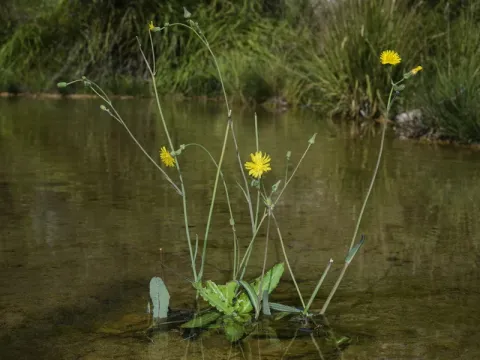
Water sowthistle
Sonchus aquatilis
Water sowthistle (Sonchus aquatilis) is a perennial herbaceous plant belonging to the Asteraceae family. This species is specifically adapted to riparian habitats and ecosystems characterized by high water saturation levels.
What the section contains
Water sowthistle
The plant originates from East Africa, where it has evolved to thrive in wetland areas, riverbanks, and seasonal marshes. Its biological structure allows it to withstand temporary flooding, which would be detrimental to many other field crops.
Cultivation requires soils with high organic content and excellent water-holding capacity. While the plant prefers moisture, it also requires well-structured soil that avoids long-term anaerobic conditions in the root zone.
Optimal climatic conditions for this species involve consistent temperatures between 20°C and 28°C. It is sensitive to extreme cold and requires a relatively stable environment to maintain high photosynthetic activity.
Field preparation should prioritize soil leveling to ensure uniform water distribution. Given its specific needs, irrigation management remains the primary agrotechnical task during the entire growth cycle of the crop.
The primary economic use of the water sowthistle is its potential as a forage crop. It grows rapidly during the vegetative phase, producing significant amounts of leafy green biomass suitable for livestock feed.
Yield productivity is significantly influenced by water availability and nitrogen levels in the soil. Under controlled irrigation, the crop can support multiple harvests per growing season, maintaining high nutritional value.
To maximize biomass quality, harvesting should occur before the onset of the flowering stage. At this point, the ratio of protein to fiber is optimal for animal nutrition, ensuring easier digestion and better feed conversion ratios.
Regeneration of the plant after cutting is one of its key advantages. The root system remains viable, allowing the crop to re-establish its canopy quickly, provided that soil moisture remains sufficient for rapid regrowth.
Effective management of the harvesting cycle is essential to prevent the plant from becoming woody, which significantly reduces the palatability and nutritional value of the harvested material for livestock.
The primary threats to the crop include fungal pathogens that thrive in humid environments. Fungal diseases such as downy mildew can significantly reduce leaf density and overall plant health if left unmanaged.
Insect pests, particularly aphids and leaf-chewing larvae, are common concerns. These pests target the younger, more succulent leaves, which can lead to stunted growth and reduced photosynthetic output.
Cultural control methods, such as maintaining adequate space between plants to improve airflow, are essential for mitigating the impact of pests and diseases in high-density cultivation plots.
Regular field scouting is recommended to identify signs of stress or infestation at an early stage. Early intervention with integrated pest management strategies helps maintain healthy yields without relying heavily on chemicals.
Monitoring the soil nutrient profile is also crucial, as nutrient deficiencies can make the plants more susceptible to secondary infections and reduce their natural ability to recover from pest damage.