
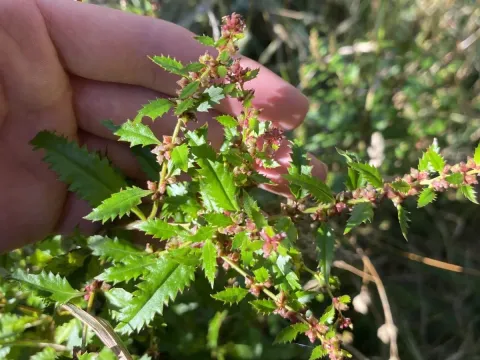
Haloragis
Haloragis
Haloragis is a genus of flowering plants belonging to the Haloragaceae family, primarily native to Australia and New Zealand. The genus consists of approximately 30 species, which exhibit a variety of growth forms from small herbs to small shrubs.
What the section contains
Haloragis
The botanical structure of Haloragis features distinct quadrangular stems and opposite leaves that often display serrated margins. Small, inconspicuous flowers are arranged in racemes or panicles, which are characteristic of this specific family.
To ensure successful growth, Haloragis requires well-drained, fertile soil with a slightly acidic to neutral pH balance. The plants do not tolerate waterlogging, which necessitates careful site selection and the preparation of adequate drainage systems.
Climate requirements for this genus include moderate temperatures and good access to natural light. Most species are sensitive to severe frost and thrive best in environments where temperatures remain stable throughout the active growth period.
In practice, Haloragis is valued mainly for ornamental purposes rather than agricultural production. Its usage includes landscaping, particularly as a groundcover plant for rockeries or areas that require structural greenery with low maintenance needs.
The most significant threats to the health of Haloragis plants are root-rot pathogens induced by poor drainage. Preventing soil saturation is the primary method for maintaining plant vitality and preventing long-term damage.
Common pests include aphids and mites, which can infest tender foliage during dry spells. Integrated pest management, including regular monitoring and the application of targeted insecticides, is recommended for healthy plant development.