
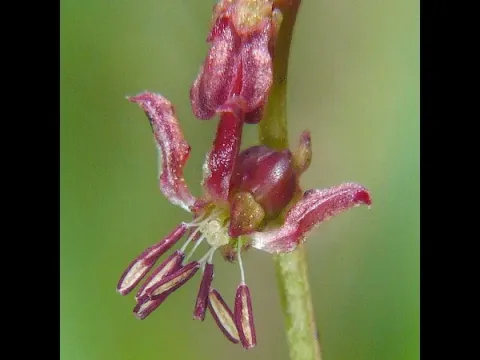
Haloragis micrantha
Haloragis micrantha
Haloragis micrantha is a perennial herbaceous plant belonging to the Haloragaceae family. Native to East and Southeast Asia, this species thrives in diverse habitats ranging from wetlands to open meadows, showing high adaptability to specific moist environments.
What the section contains
Haloragis micrantha
The plant is recognized for its compact habit and often reddish-tinged foliage, which adds significant ornamental value. In an agricultural or horticultural context, it is typically cultivated for its ability to cover ground in moist, acidic landscape settings.
Success in growing Haloragis micrantha depends heavily on maintaining consistent soil moisture levels. The plant is sensitive to drought, and its growth is severely compromised if the root zone dries out completely, necessitating careful irrigation management.
Regarding light exposure, the species prefers partial shade. Direct, intense sunlight can cause leaf scorch and dehydration. Providing a site with dappled sunlight or afternoon shade helps maintain the vibrant color and health of the vegetation.
Soil requirements include a rich, well-draining, yet moisture-retentive substrate. A mixture incorporating peat moss or composted organic material is ideal to mimic the natural soil structure of its native boggy or meadow environments.
The high-humidity environments required for Haloragis micrantha make it particularly susceptible to fungal pathogens. Root rot and foliar blight are common issues that occur if drainage is insufficient or if air circulation is inadequate.
Slugs and snails are the primary pests that damage the succulent leaves of the plant. Gardeners should implement regular monitoring or use appropriate baiting and physical barriers to protect the foliage from extensive feeding damage.
Indoor or greenhouse cultivation may invite spider mites, especially when air humidity drops. Regular misting and keeping the surrounding environment well-ventilated are effective strategies to prevent and manage mite infestations.
Poor aeration in the root zone can lead to an accumulation of harmful gases and promote the growth of anaerobic bacteria. This stress manifests as yellowing leaves and wilting, which weakens the plant and makes it more vulnerable to secondary infections.
Integrated pest management, including sanitation and the removal of decaying plant debris, is essential. Keeping the immediate vicinity clean significantly reduces the habitat available for pests and the buildup of fungal spores.