
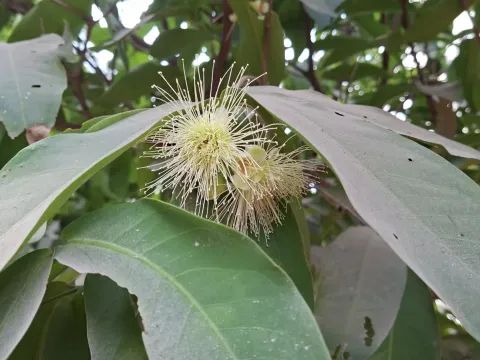
Waterhousea
Waterhousea
Waterhousea is a genus of evergreen trees belonging to the Myrtaceae family. Native primarily to the tropical rainforests of Australia, these trees are prized for their elegant, weeping foliage and dense growth habit.
What the section contains
Waterhousea
Successful cultivation of Waterhousea requires deep, nutrient-rich, and moisture-retentive soils. A well-draining environment is essential to ensure that root systems remain healthy while receiving consistent moisture.
The climate requirements for this culture are strictly tropical or subtropical. Waterhousea thrives in high-humidity areas and cannot tolerate freezing temperatures, making it unsuitable for colder regions without climate control.
Sunlight requirements vary depending on the plant's age; while mature trees can handle full sun, younger saplings prefer partial shade to prevent leaf scorch. Consistent hydration is the foundation of their agricultural management.
In ornamental landscaping, these trees are often used as privacy screens or specimen plants. Their ability to provide lush green cover makes them a popular choice in warm-climate gardening and urban planning.
Fungal pathogens represent the primary threat to the health of Waterhousea trees, particularly when soil drainage is poor. Phytophthora and similar root rot issues are common in overly saturated conditions.
Pests such as scale insects and mealybugs frequently colonize the dense foliage of the tree. These pests extract sap from the plant, which can lead to stunted growth and the development of sooty mold.
Integrated pest management, including the use of systemic insecticides and horticultural oils, is recommended for effective control. Periodic monitoring of the underside of leaves is vital for early detection.
Nutrient deficiencies, particularly involving nitrogen and trace minerals, can manifest as chlorosis or leaf discoloration. Applying a balanced slow-release fertilizer during the growing season helps maintain plant vigor.
Proper pruning practices reduce the risk of infestation by improving airflow within the canopy. Removing crowded or dead branches ensures that the tree remains resilient against both biological and environmental stressors.