
Zornia microphylla
Zornia microphylla
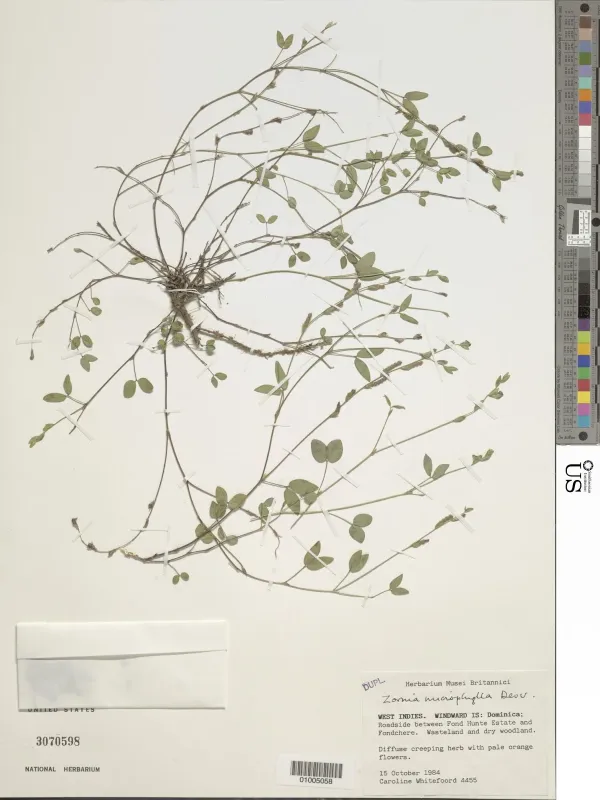
Description
Growing requirements
Zornia microphylla is a perennial legume belonging to the Fabaceae family. Native to tropical and subtropical regions, this plant is increasingly recognized for its role in pasture improvement and soil nitrogen enhancement due to its symbiotic relationship with nitrogen-fixing bacteria.
The plant features prostrate, creeping stems and characteristic bifoliolate leaves. Its growth habit is primarily horizontal, creating a dense mat that helps protect the soil surface from erosion and moisture loss, making it an excellent ground cover species.
Regarding soil requirements, it thrives in well-drained, sandy to sandy-loam soils. It is notably tolerant of acidic soils and low fertility conditions, which allows it to persist in environments where more demanding forage crops would fail to establish.
Climate-wise, the plant requires significant warmth and consistent sunshine for optimal biomass production. It shows moderate drought tolerance once established, but it is highly sensitive to waterlogging, which often leads to immediate root decay and plant mortality.
Agricultural utility includes use as a high-protein forage crop for livestock grazing. Furthermore, its ability to fix atmospheric nitrogen makes it a valuable component in sustainable agriculture systems, enhancing the growth of grasses grown in association with it.
Main diseases and pests
Fungal diseases are the primary threat, especially leaf spot pathogens that thrive in high humidity and stagnant air. These infections can severely impact photosynthetic efficiency and reduce the overall nutritional quality of the forage material.
Pest pressures primarily include defoliating insects such as beetle larvae and caterpillars, which can consume large amounts of foliage during the peak growing season. Constant grazing pressure must be managed to ensure the plant maintains sufficient vigour to recover.
Root-knot nematodes can also pose a significant challenge, particularly in light, sandy soils where these pests frequently proliferate. Such infestations often lead to yellowing of leaves and a general decline in plant vitality and nitrogen-fixation capacity.
Management of these threats is best achieved through integrated pest management (IPM) practices, emphasizing soil aeration and avoiding excessive fertilization with nitrogen, which may attract certain pests while reducing the efficiency of the legume's own nitrogen fixation.
Lastly, monitoring for signs of stress is crucial during transition periods between seasons. Maintaining healthy soil structure through proper drainage is the most effective preventative measure against the vast majority of biological threats to this crop.