
Zornia setosa
Zornia setosa
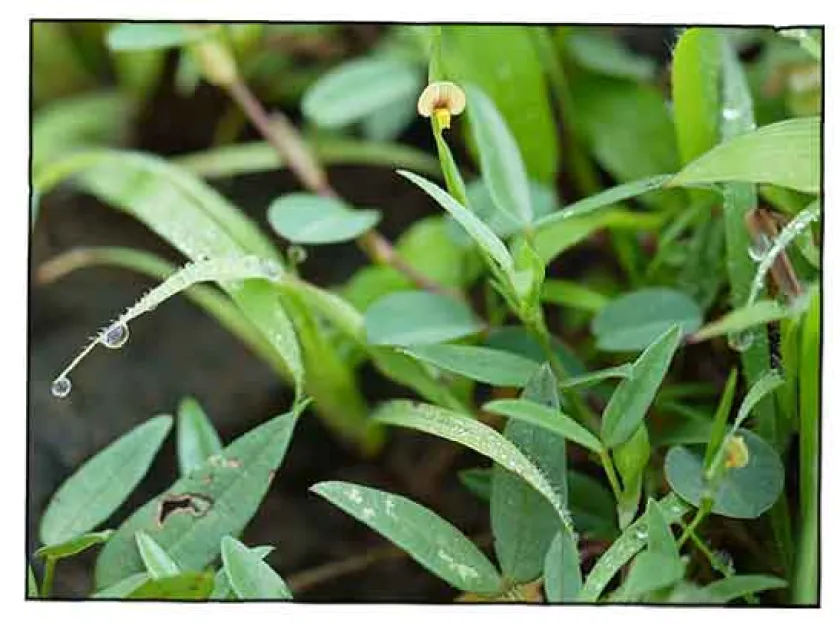
Description
Sowing dates
Sowing of Zornia setosa is typically carried out in the spring when soil temperatures reach 18–20 degrees Celsius. Optimal timing depends on the specific region, but ensuring sufficient moisture in the seedbed is essential for successful germination.
Seeding rates are calculated based on seed germination percentage and purity. A row planting method with spacing between 30 and 45 centimeters is recommended to provide adequate room for the plants to develop their full potential.
Pre-sowing soil preparation involves deep tillage and surface leveling. Seeds should be sown at a shallow depth of 2–3 centimeters to prevent excessive resistance that could hinder seedling emergence.
Scarification of seeds may be necessary to improve germination energy, as the seed coat of Zornia can be relatively tough, preventing rapid water absorption.
Maintaining weed-free fields during the initial weeks is critical. Zornia grows slowly in the early stages, making timely cultivation or weeding essential for establishing a dense and healthy stand.
Growing requirements
Zornia setosa belongs to the Fabaceae family and is a perennial herb adapted to tropical and subtropical climates. The crop thrives in well-lit areas and requires high solar radiation for optimal development.
The plant exhibits high drought tolerance, making it a promising option for regions with erratic rainfall. Its well-developed root system allows it to access moisture from deeper soil layers effectively.
Soil requirements for Zornia are moderate, although it performs best on well-drained, light loamy soils. The ideal soil pH ranges from slightly acidic to neutral levels.
The crop responds positively to phosphorus and potassium fertilizers, which enhance root development and total yield. Nitrogen fertilization is usually kept at minimal levels due to the plant's symbiotic nitrogen-fixing ability.
For large-scale cultivation, it is important to avoid waterlogged fields. Excessive soil moisture can lead to root rot and a significant decrease in stand density over time.
Yield
The productivity of Zornia setosa depends heavily on irrigation practices and soil fertility. Under favorable conditions, the crop produces a substantial amount of green mass, which serves as high-quality livestock forage.
Yields of green mass can reach significant levels with regular harvesting schedules. The plant is capable of rapid regrowth after cutting, allowing for multiple harvests within a single growing season.
Beyond green mass, Zornia produces seeds, the collection of which requires careful timing. Harvesting should occur when the pods reach full maturity and display their characteristic color and firmness.
Dry matter yields depend on stand composition and density. Effective management of mineral nutrition allows for a significant increase in biomass production per hectare.
In breeding programs, both total biomass and the nutritional quality of the foliage are evaluated. The protein content in the aerial parts makes Zornia a valuable component in animal feed rations.
Main diseases and pests
The primary threats to Zornia fields include fungal diseases triggered by poor moisture management. Infections such as powdery mildew or leaf spots can significantly reduce the photosynthetic capacity of the plants.
Pests like weevils or specific insect larvae may damage young shoots and leaf blades. Regular monitoring of pest populations at early stages allows for timely intervention.
Root-knot nematodes pose a potential risk, particularly if the crop is grown continuously on the same plot. Crop rotation is highly recommended to prevent the buildup of soil-borne pathogens.
Integrated pest management strategies are preferred to minimize the use of harsh chemicals. Ecological approaches help maintain biodiversity within the agricultural ecosystem.
In cases of severe disease outbreaks, systemic fungicides may be used. However, the priority remains creating optimal agronomic conditions that strengthen the plant's natural immune system.
Harvesting
Harvesting Zornia for green forage should be done at the budding stage or early flowering. During this period, the plant contains the highest concentration of nutrients and is highly palatable for livestock.
Mowing should be performed at a height of 5–7 centimeters above the soil surface. This height promotes the growth of side shoots and ensures rapid recovery of the stand after harvesting.
Once harvested, the green material should be promptly wilted or ensiled. Optimal preservation methods are crucial for retaining protein and vitamin levels for winter feeding.
For seed collection, harvesting can be done via separate windrowing or direct combining. It is important to carefully calibrate equipment to avoid crushing the delicate Zornia pods during threshing.
Post-harvest seed processing includes cleaning and drying to a moisture content of 10–12 percent. Proper storage in a cool, dry environment ensures high germination rates for the following season.