
Zornia gibbosa
Zornia gibbosa
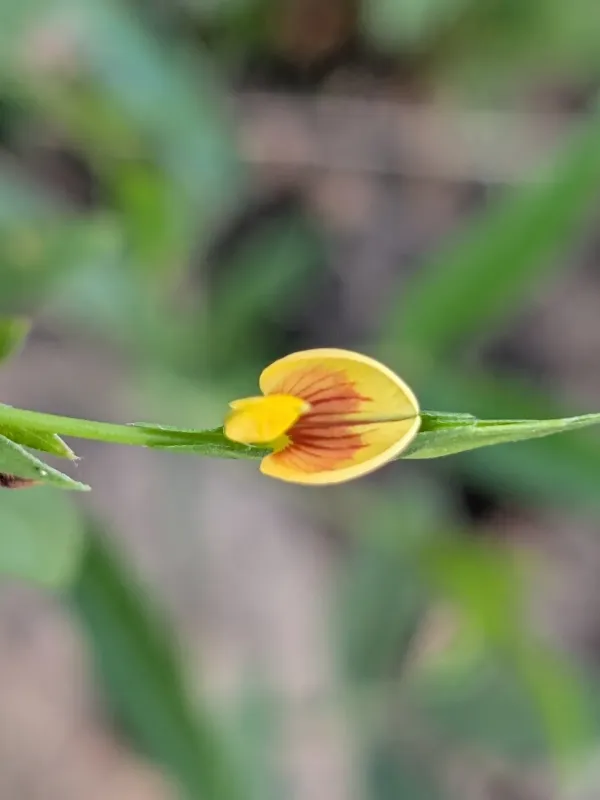
Description
Sowing dates
Zornia gibbosa is an annual herbaceous plant belonging to the Fabaceae family, commonly found in tropical and subtropical regions. In agricultural practice, planting is typically scheduled at the beginning of the rainy season to ensure sufficient soil moisture for seed germination.
The optimal temperature for successful seedling emergence ranges between 25 and 30 degrees Celsius. The seeds possess a relatively hard coat, so scarification is sometimes employed to accelerate the germination process and ensure uniformity in the field.
A standard row-planting method is generally recommended, with spacing between 30 and 45 centimeters. This allows each plant sufficient room for vegetative expansion while enabling the crop to quickly close the canopy, effectively suppressing competing weed species.
Seed depth should be maintained at approximately 1 to 2 centimeters. It is crucial to ensure that seeds are covered with fine soil, preventing the formation of a hard surface crust after rainfall, which could otherwise hinder the emergence of delicate sprouts.
The crop exhibits vigorous early-stage growth. When sown at appropriate rates, Zornia gibbosa forms a dense ground cover, which not only provides abundant biomass for livestock but also plays a role in preventing soil erosion in tropical climates.
Growing requirements
Zornia gibbosa is known for its tolerance to relatively nutrient-poor soils, making it an excellent candidate for rehabilitating degraded land. It thrives in well-drained sandy loam or loamy soils with a neutral or slightly acidic pH level.
Sunlight is a key requirement for this plant; it does not perform well under dense shade. Additionally, the plant is intolerant of waterlogged conditions, so areas prone to seasonal flooding should be avoided to prevent root rot and diminished plant vigor.
As a tropical legume, it is well-adapted to high-temperature environments and moderate dry spells. However, consistent rainfall during the active growing phase is essential to achieve maximum biomass yield and high nutritional value of the forage.
A significant agronomic advantage of Zornia gibbosa is its ability to form symbiotic relationships with nitrogen-fixing bacteria. This process helps enrich the soil with atmospheric nitrogen, reducing the need for synthetic nitrogen fertilizers in low-input farming systems.
The plant is highly sensitive to frost and cold temperatures. Therefore, its cultivation is restricted to tropical and subtropical zones where temperatures remain well above freezing throughout the entire active growing season.
Yield
The yield of Zornia gibbosa is highly dependent on environmental conditions and soil quality. Under favorable conditions, the plant can provide multiple cuts within a single growing season, offering a reliable supply of protein-rich green forage.
The foliage is highly palatable and contains a respectable level of crude protein, making it a valuable feed source for cattle, sheep, and goats in tropical regions. It serves as an excellent component for both hay production and direct grazing.
Beyond its feed value, the root system of the plant is effective at improving soil structure and porosity. This interaction improves water infiltration rates and creates a healthier soil environment for subsequent crops in a rotation cycle.
Yield management requires careful monitoring of grazing intensity. Overgrazing can compromise the plant's ability to regenerate, so rotational grazing practices are recommended to maintain high levels of productivity throughout the year.
Total annual dry matter production can be quite significant, making Zornia gibbosa a viable option for farmers looking to diversify their forage base with a resilient, nitrogen-fixing legume species.
Main diseases and pests
The primary threats to Zornia gibbosa include various fungal pathogens, particularly leaf spot diseases, which often manifest under conditions of high humidity and poor air circulation within the canopy. Crop rotation is the most effective management strategy.
Insect pests, such as various beetles and weevils that feed on leaves, can reduce biomass production if left unchecked. Regular field scouting is necessary to identify pest outbreaks early and implement targeted control measures.
Nematodes can occasionally pose a risk to the root system, leading to stunted growth. Maintaining soil health through proper organic matter management and selecting resistant varieties are critical steps in mitigating damage caused by soil-borne pathogens.
Weed competition is the most significant challenge during the establishment phase. Maintaining a weed-free field during the first few weeks of growth is vital for ensuring the crop establishes a strong root system and a competitive canopy.
Overall, Zornia gibbosa displays a good level of natural resistance to many pests. An integrated pest management approach, combined with good agronomic practices, is usually sufficient to protect the crop without excessive reliance on chemicals.
Harvesting
Harvesting for green fodder should occur during the flowering stage, which ensures the best balance between biomass quantity and nutritional density. Regular cutting stimulates the plant to produce regrowth, effectively increasing the total seasonal yield.
When harvesting for hay, it is essential to dry the material quickly to prevent leaf shatter, as the leaves contain the highest concentration of proteins and minerals. Cutting height should be managed to ensure that the growing points of the plant are preserved.
Seed collection is performed once the pods turn brown. Because the pods are prone to shattering as they dry, the timing of the harvest is critical to prevent significant seed loss on the ground during the maturation process.
After harvesting, seeds should be cleaned and dried to a moisture content appropriate for long-term storage. High-quality seed storage in cool, dry conditions is essential for ensuring good germination rates in the following season.
Efficient harvesting operations are key to maximizing the economic return of Zornia gibbosa. By following standardized protocols, farmers can ensure a high-quality forage supply while maintaining the long-term health of their fields.