
Zornia capensis
Zornia capensis
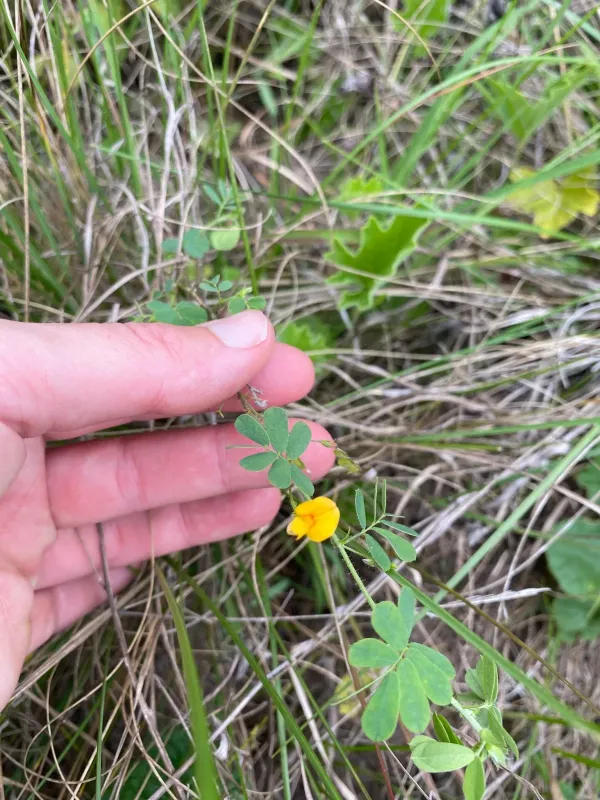
Description
Sowing dates
Zornia capensis is a perennial herbaceous plant belonging to the Fabaceae family, commonly found in regions where seasonal rainfall patterns dictate growth cycles.
The optimal sowing time for commercial cultivation is at the beginning of the warm, wet season, ensuring soil temperatures reach at least 20-25 degrees Celsius.
Seeds often require scarification to improve germination rates, as the hard seed coat can otherwise delay uniform emergence in the field.
Planting depth should be kept shallow, ideally between 1 to 2 centimeters, to balance the need for moisture and the seedling's limited energy reserves.
Row spacing is typically set at 30 centimeters to allow for proper plant development while maintaining the desired density for soil cover or forage harvesting.
Growing requirements
This species thrives in tropical and subtropical climates, demonstrating significant resilience to periods of heat and moderate drought conditions.
The plant prefers well-drained sandy or loamy soils and is known for its ability to grow on low-fertility soils, making it useful for land restoration.
Zornia capensis does not tolerate waterlogging; therefore, selecting sites with excellent drainage is crucial to prevent root rot and overall plant decline.
Sunlight is a major requirement for healthy growth; the plant performs best in full sun and will show reduced biomass production if shaded by other species.
Like many other legumes, it benefits from nitrogen fixation, enhancing soil fertility naturally and reducing the need for synthetic nitrogen-based fertilizers.
Yield
The biomass yield is heavily dependent on soil moisture availability and the total amount of precipitation received during the peak growing season.
Under managed conditions, Zornia capensis forms a dense mat that produces consistent quantities of high-quality forage suitable for livestock grazing.
Regular mowing or rotational grazing stimulates regrowth, significantly increasing the cumulative seasonal yield and improving the quality of the vegetative cover.
Seed production is highly influenced by pollinator activity, which is essential for the successful development of the fruits, known as loments or pods.
When used as a ground cover, it provides substantial protection against soil erosion, effectively stabilizing slopes and improving water infiltration.
Main diseases and pests
Fungal diseases, including anthracnose, pose a major threat, particularly during periods of high humidity or in dense, poorly ventilated plant stands.
Insect pests, such as weevils, can target both foliage and reproductive structures, leading to significant reductions in seed and biomass yields.
Effective management includes maintaining a strict crop rotation schedule to break the life cycles of soil-borne pathogens and insect pests common to legumes.
Weed management during the establishment phase is vital, as slow seedling growth makes the crop susceptible to competition from fast-growing grasses.
Biological pest control is encouraged to maintain the ecological balance of the field and to ensure the safety of the forage for livestock consumption.
Harvesting
Harvesting for forage is best timed during the peak flowering stage to ensure the highest crude protein content and optimal digestibility for livestock.
Mowing should be performed at an appropriate height to avoid damaging the base of the plant, which is essential for rapid vegetative recovery.
Seed harvesting requires careful timing, as the pods can easily shatter when fully mature, leading to significant yield losses if not gathered promptly.
Post-harvest processing, such as drying, is necessary to prevent microbial growth and preserve the nutritional value of the plant material for storage.
Silage production is a viable option for preserving the crop, providing a stable and nutritious feed source throughout the dry season.