
Yunnan licorice
Glycyrrhiza yunnanensis
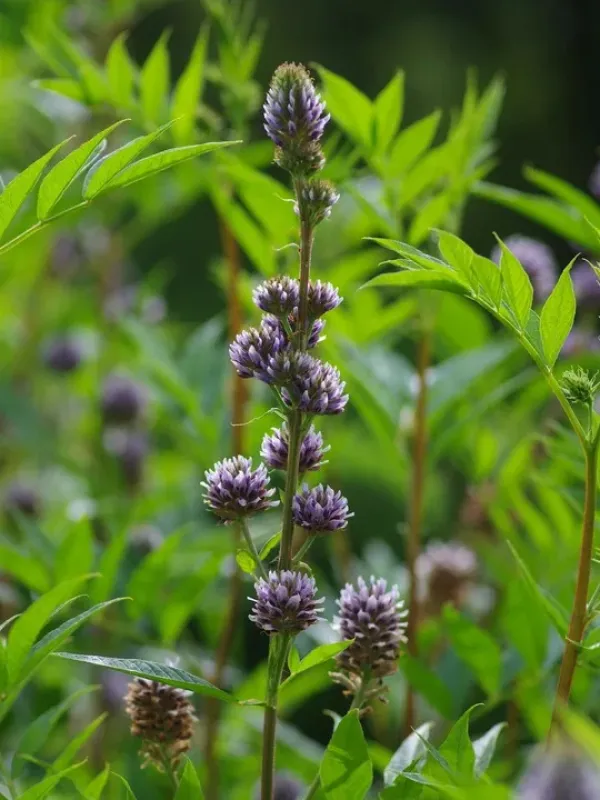
Description
Sowing dates
Sowing of Yunnan licorice is recommended in early spring when the soil warms up to 10–12°C. Seeds require scarification to break dormancy and ensure uniform germination due to their hard seed coat.
Seeds should be sown at a depth of 2–3 cm to maintain consistent moisture contact. Commercial plantations typically use row spacing of 45–60 cm to allow space for root development.
The seeding rate is approximately 8–10 kg per hectare. Proper density is crucial in the first year to prevent weed competition, as the crop's vegetative growth is relatively slow during the initial stages.
Vegetative propagation using root cuttings is also a common method. This technique can shorten the production cycle and ensure more reliable establishment compared to seed sowing.
It is essential to select fields free from perennial weeds, as their deep root systems compete significantly with licorice, making post-emergence control difficult and labor-intensive.
Growing requirements
Yunnan licorice belongs to the Fabaceae family and is native to high-altitude regions in China. It thrives in well-drained, loose, sandy or light loamy soils with a neutral to slightly alkaline pH.
The plant is heliophilic and drought-tolerant but requires moderate moisture during the first years of growth to establish a deep, high-quality root system. Waterlogging must be strictly avoided.
The ideal climate features moderate temperatures and high solar radiation. The plant is well-adapted to the diurnal temperature variations typical of mountainous regions, which influences the metabolic processes of the plant.
Nutrient management, particularly phosphorus and potassium, is vital for the development of root compounds. Nitrogen supplementation is rarely necessary due to the plant's nitrogen-fixing abilities.
Regular cultivation of inter-row spaces improves soil aeration, which promotes healthy branching and penetration of the root system into the deeper layers of the soil profile.
Yield
Yield depends on cultivation intensity and plantation age. Harvest typically occurs after 3–4 years, once the roots reach an optimal size and accumulation of active pharmacological compounds.
The average yield of dried root ranges from 3 to 5 tons per hectare. Results can be significantly improved with controlled drip irrigation and optimized nutrient management plans.
Product quality is primarily determined by the concentration of glycyrrhizin. Proper harvest timing and post-harvest drying processes are critical to maintaining the medicinal integrity of the roots.
Drying is performed at temperatures not exceeding 60°C to prevent degradation of secondary metabolites. Inadequate drying techniques often lead to spoilage and a drastic reduction in market value.
Maintaining spatial isolation from wild-growing species ensures the genetic purity of the crop, which is essential for consistent quality and high demand in the pharmaceutical trade.
Main diseases and pests
Root rot is the most significant threat, often associated with poor drainage or excessive soil moisture. Managing soil water levels is the primary defense against these fungal pathogens.
Leaf-feeding insects and aphids can cause damage during the early spring vegetative growth phase. Integrated pest management using bio-pesticides is recommended to keep the produce organic and safe.
Soil-dwelling pests like wireworms may damage the root structure, affecting quality. Pre-plant soil sampling and systematic crop rotation help in mitigating these subterranean risks.
Powdery mildew can occur in humid environments. Ensuring proper spacing and airflow within the plantation is crucial to prevent the spread of fungal spores and maintain plant health.
Adhering to strict phytosanitary practices and rotating crops every few years prevents the buildup of pathogens in the soil, which is standard practice for sustainable licorice cultivation.
Harvesting
Mechanical harvesting is conducted using specialized plows that dig deep to minimize root breakage. Maintaining root integrity is essential for high-grade marketability and processing efficiency.
The harvest season is typically in the autumn, after the foliage begins to yellow. This timing corresponds with the peak accumulation of active ingredients in the root system.
Roots are cleaned of soil residue using washing units. After washing, the raw material is graded by size, dried, and prepared for processing or shipment to manufacturers.
Storage requires well-ventilated, dry conditions to prevent mold growth, as the roots are highly absorbent and sensitive to environmental humidity variations in warehouses.
Modern harvesting machinery has drastically improved the economic feasibility of Yunnan licorice, allowing for rapid processing and reduction of harvest losses compared to traditional manual methods.