
Zornia linearis
Zornia linearis
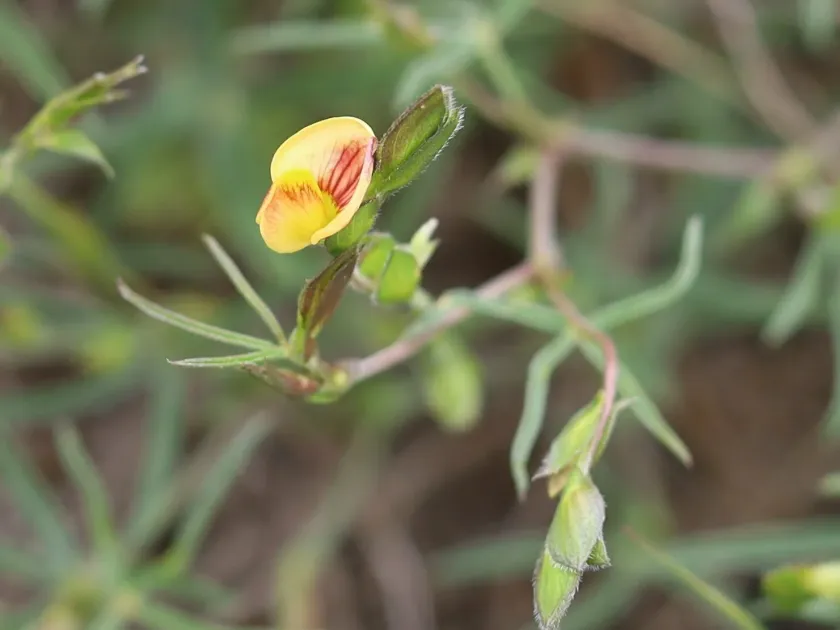
Description
Sowing dates
Zornia linearis belongs to the Fabaceae family and is a resilient perennial herbaceous plant. It is primarily recognized as a valuable forage resource in tropical and subtropical agriculture.
The optimal time for sowing is at the onset of the rainy season. This timing ensures sufficient soil moisture, which is critical for successful seed germination and initial root establishment.
Seeds should be planted at a shallow depth of 1-2 centimeters. Over-planting can result in poor emergence rates, which compromises the uniformity and density of the stand.
Effective seedbed preparation is essential to reduce competition from weeds in the early stages of plant growth. A clean field allows Zornia linearis to establish itself more rapidly.
The seeding rate should be calibrated based on the specific soil conditions and the intended use of the crop, ensuring an adequate plant population density for optimal biomass production.
Growing requirements
One of the primary advantages of Zornia linearis is its adaptability to infertile and acidic soils. This makes it an ideal candidate for reclaiming lands that are unsuitable for conventional crops.
The plant requires high light intensity to thrive. Shading from larger plants or trees significantly limits its growth potential and reduces its contribution to the overall pasture biomass.
Good soil drainage is non-negotiable for this species. While it is known to be drought-tolerant, it will not survive in waterlogged or frequently flooded environments, which can cause root rot.
Although it manages to grow in nutrient-poor environments, basic fertilizer applications—specifically phosphorus—can improve establishment and boost total forage yields on severely depleted lands.
Temperature is a limiting factor for its distribution. Zornia linearis is sensitive to cold temperatures and frost; therefore, its cultivation is restricted to frost-free tropical or subtropical zones.
Yield
Zornia linearis is primarily utilized as a grazing legume. Its nutritional profile, high in protein, makes it an excellent choice for improving the diet of grazing livestock.
Yields are highly dependent on rainfall distribution and proper management of grazing cycles. When managed correctly, the plant exhibits excellent regrowth capabilities after grazing.
Beyond its value as forage, it acts as a green manure, fixing nitrogen in the soil. This process enhances soil fertility and structure, which benefits subsequent crops in the rotation.
The crop can also be harvested for hay. However, due to its delicate stems, harvesting operations must be handled with care to avoid the loss of foliage, which is the most nutritious part.
A well-managed stand provides a dense ground cover, effectively preventing soil erosion and helping to maintain the ecological balance of the pastureland environment.
Main diseases and pests
Fungal diseases affecting the leaves are the most common threats to Zornia linearis, particularly during periods of high humidity and poor airflow within the plant canopy.
Insect pests that target legume foliage can cause significant damage. These pests may reduce the overall biomass and diminish the nutritional quality of the forage provided to animals.
Root-feeding pests represent a potential threat, especially in young plants. Regular inspection of the root zone during the establishment phase is vital for early detection of issues.
An integrated pest management approach, including the selection of resistant cultivars and maintaining appropriate stand density, is the most effective way to minimize these threats.
Routine monitoring of the crop for symptoms of disease or pest infestation allows for timely intervention, preventing widespread damage across the managed agricultural fields.
Harvesting
For hay production, the crop should be mown at the beginning of the flowering phase. This timing ensures that the forage contains the highest possible concentration of nutrients.
Rotational grazing is the recommended practice for livestock producers. This method allows the plants to rest and recover nutrients, ensuring the long-term productivity of the pasture.
When mowing, maintaining a proper stubble height is essential. This practice supports the plant's metabolic activity, allowing for rapid regeneration and better biomass recovery.
Efficient drying processes are required after harvesting to prevent mold growth. Proper storage conditions are essential to maintaining the quality and palatability of the forage.
Seed harvesting should be performed when the pods reach full maturity. Timing is crucial to avoid excessive seed shattering and ensure a high-quality supply of future planting material.