
Zornia bracteata
Zornia bracteata
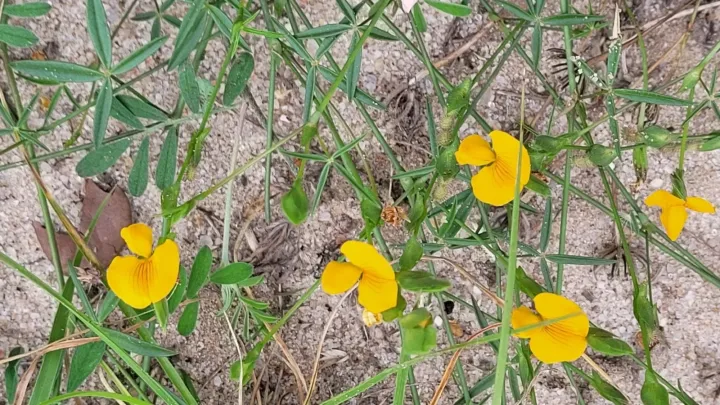
Description
Sowing dates
Zornia bracteata is a thermophilic plant, therefore sowing is carried out in the spring season after the soil has warmed up sufficiently.
The optimal timing for field operations occurs in the second half of spring, when the threat of late frosts has completely passed.
Seeding is performed in rows using precision drills adjusted for small-seeded legumes to ensure accurate spacing.
The sowing depth should not exceed 1-2 centimeters to ensure fast and uniform emergence of seedlings across the field.
To speed up germination, it is recommended to subject the seeds to scarification in industrial conditions before planting.
Growing requirements
This perennial herb of the Fabaceae family adapts well to poor sandy and loamy soils, common in tropical and subtropical regions.
The crop demonstrates high drought tolerance, making it a promising candidate for cultivation in areas with limited rainfall.
The plant prefers sunny locations and does not tolerate heavy shading, which suppresses the development of vegetative mass.
The optimal pH range for successful growth is from slightly acidic to neutral, with high tolerance to aluminum toxicity in acidic soils.
A crucial growth factor is the presence of specific nitrogen-fixing bacteria in the soil, which enable effective atmospheric nitrogen fixation.
Yield
The yield of Zornia bracteata green mass depends directly on rainfall intensity and the specific fertility of the land area.
Under favorable moisture conditions, the crop is capable of providing multiple cuts per season, ensuring a stable supply of nutritious forage.
Maximum productivity levels are achieved by ensuring adequate phosphorus and potassium nutrition during the active vegetation phase.
The plant is highly valued for its nutritional density, as its leaves and stems contain a significant percentage of protein for livestock.
When used in pasture mixtures, Zornia maintains productivity over a long period, showing good resilience to controlled grazing.
Main diseases and pests
The crop has relatively high disease resistance, although root and stem rots may occur under conditions of excessive soil moisture.
Pests such as weevils and certain types of caterpillars may damage the foliage, reducing total biomass and the quality of the hay.
Mechanical weeding in the rows during the early stages of growth is recommended to effectively control weed competition.
Control of pathogenic fungi is necessary, as they become active when high air humidity combines with poor field ventilation.
Integrated protection involves crop rotation, which breaks the breeding cycle of specific pests and pathogenic organisms.
Harvesting
Hay harvesting is conducted during the mass flowering phase when nutrient concentration in the above-ground parts reaches its peak.
When using the crop for grazing, it is essential to follow rotational grazing methods to prevent overgrazing and damage to the shoots.
Mown biomass should be wilted in swaths until optimal moisture is reached to preserve vitamins and proteins during storage.
The use of modern mower-conditioners accelerates the drying process, significantly reducing leaf shatter during mechanical harvesting.
For seed harvesting, the process should be carried out when the majority of pods darken to avoid shattering while standing in the field.