
Zornia diphylla
Zornia diphylla
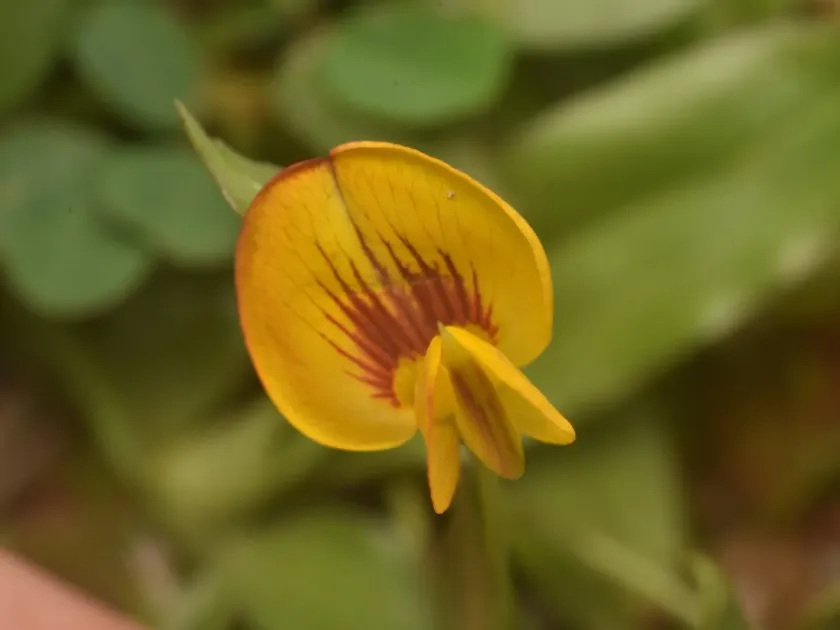
Description
Growing requirements
Zornia diphylla, commonly known as zornia, is a perennial legume within the Fabaceae family. It is native to tropical and subtropical regions, widely distributed across parts of Asia, Africa, and the Americas where warm climates prevail.
This crop thrives in well-drained sandy to sandy-loam soils. Its adaptability to various soil types, combined with notable drought tolerance, makes it an excellent choice for pasture improvement in regions prone to seasonal water shortages.
Optimal growth is achieved under high temperatures ranging from 22°C to 30°C. While it is hardy, the plant requires significant sunlight to maintain its biomass production and effectively utilize the nutrients available in the soil.
As a legume, Zornia diphylla fixes atmospheric nitrogen through symbiotic relationships with bacteria. This biological process significantly contributes to soil fertility, making it highly beneficial for sustainable agricultural practices and crop rotation.
In terms of utilization, the plant is primarily harvested as high-quality forage for livestock. It provides a dense cover that offers high protein content, which is essential for the healthy development and productivity of grazing animals.
Main diseases and pests
Fungal infections, particularly anthracnose and powdery mildew, represent the most significant disease threats to Zornia diphylla. These conditions typically emerge in high humidity environments or areas with poor field aeration.
Insect pests, including various leaf-eating caterpillars and weevils, can cause substantial damage to the plant's vegetative structure. Monitoring these pest populations is crucial to prevent yield loss in critical growing periods.
Root rot remains a concern if the soil becomes compacted or waterlogged, which interferes with the plant’s respiration and nutrient uptake. Proper drainage is therefore a fundamental aspect of field preparation.
Agricultural management prioritizes cultural practices over chemical interventions to maintain the safety of the forage. Rotational grazing and maintaining soil nutrient balance are the primary methods for building the plant's resistance to environmental stress.
Competition from aggressive weed species can inhibit the establishment of Zornia diphylla. Effective weed control measures should be implemented during the early stages of plant growth to ensure a robust and uniform pasture establishment.