
Zornia reticulata
Zornia reticulata
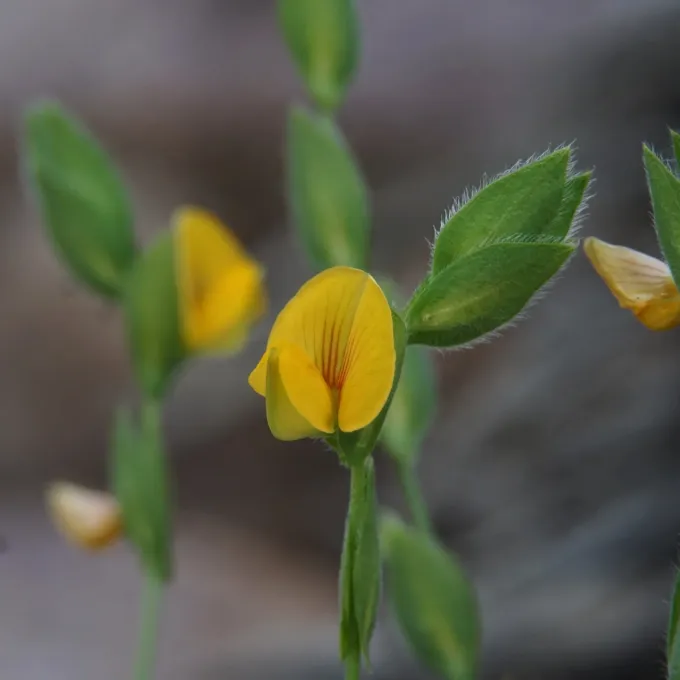
Description
Sowing dates
Zornia reticulata is typically sown at the beginning of the rainy season to ensure sufficient moisture for germination. The seeds exhibit high viability when placed in a well-prepared seedbed that retains moisture effectively.
The optimal sowing depth is shallow, ranging between 1 and 2 centimeters. Placing seeds too deep may prevent the emergence of seedlings, while surface sowing might expose them to rapid desiccation if the rains are intermittent.
It is often used in pasture improvement programs, where it is broadcasted into existing grasslands. In such systems, the density must be adjusted to allow the plant to compete with native grasses without being completely overwhelmed.
Proper spacing is crucial when establishing pure stands. A moderate density ensures that the plant canopy covers the ground quickly, which minimizes the erosion of topsoil and suppresses competing weed species.
Following the sowing, light rolling is recommended to improve the seed-to-soil contact. This practice facilitates the capillary movement of water, which is essential for uniform germination in tropical field conditions.
Growing requirements
Belonging to the Fabaceae family, Zornia reticulata is a resilient plant well-adapted to hot and humid environments. It is highly valued for its ability to thrive in diverse soil conditions, particularly in acidic and nutrient-poor tropical soils.
The plant requires full sun exposure to achieve its full potential. While it can handle partial shade, its growth rate and capacity for nitrogen fixation are significantly reduced when light availability is compromised by denser vegetation.
Regarding soil, the plant favors well-drained conditions. Although it is relatively drought-tolerant once established, it does not tolerate waterlogging, which often leads to root rot and diminished vigor in high-rainfall areas.
Temperature requirements are generally aligned with tropical and subtropical zones. It remains metabolically active throughout the warm seasons, making it an excellent candidate for regions with long growing periods.
Integration of this crop into agricultural systems often involves managing soil acidity. Even though it is robust, providing adequate phosphorus levels can help stimulate its development and enhance the symbiotic relationship with rhizobia for nitrogen fixation.
Yield
The productivity of Zornia reticulata is largely influenced by the frequency of precipitation and the soil nutrient status. Under ideal conditions, it produces a dense carpet of foliage that serves as high-quality forage.
It is specifically noted for its high resistance to trampling by livestock. This characteristic makes it a preferred species for managed rotational grazing, as the plants recover quickly after being grazed.
Forage yield is measured in tons of green matter per hectare. Given its high protein content, it serves as a nutrient-dense supplement in the livestock diet, potentially reducing the need for expensive commercial protein additives.
The yield can be optimized through strategic grazing intervals. By preventing the plant from reaching full maturity and senescence, managers can ensure the forage remains in the vegetative state, which is the most nutritious phase for cattle.
Continuous monitoring of the field is necessary to determine the maximum stocking rate. Overgrazing should be avoided to preserve the root reserves, ensuring the longevity of the pasture stand over multiple seasons.
Main diseases and pests
Like many tropical legumes, Zornia reticulata is susceptible to various fungal infections when conditions are excessively wet. Leaf spots and mildews can appear if air circulation within the stand is poor.
Insect pests such as defoliating caterpillars and various beetles represent significant threats. These insects can cause localized damage, reducing the plant's ability to photosynthesize and lowering the overall forage yield.
Soil-borne pathogens and nematodes are known to affect the root systems, especially in monoculture environments. Implementing crop rotation techniques is an effective way to break the life cycles of these common agricultural pests.
Weed management is critical during the seedling stage. Fast-growing weeds can outcompete the young Zornia plants for water and light, therefore, weed control is essential until the crop has established a solid canopy.
Maintaining a healthy stand through appropriate fertilization and controlled grazing is the best defense against pests and diseases, as a vigorous plant is naturally more capable of resisting biotic stress.
Harvesting
Harvesting Zornia reticulata for hay or seed requires attention to the crop's phenological stage. For forage, the best time to cut is at the early flowering stage, before the plant allocates too much energy to seed production.
When producing seed, the harvest must be timed before the pods reach total maturity and shatter. Mechanical harvesters with adjustable settings are ideal to prevent seed loss during the collection process.
Drying the harvested hay is a crucial step to prevent spoilage and fungal growth. Proper aeration in a storage facility is necessary to ensure the feed remains safe for livestock consumption throughout the off-season.
Seed cleaning is necessary to remove debris and improve purity. High-quality, cleaned seed has a better storage life and ensures a higher germination rate when it is finally time for the next planting cycle.
Efficient harvesting techniques contribute to the sustainability of the farming operation. By leaving sufficient biomass or roots, farmers can encourage the plant to regenerate naturally, providing long-term benefits to the farm's productivity.