
Zornia gemella
Zornia gemella
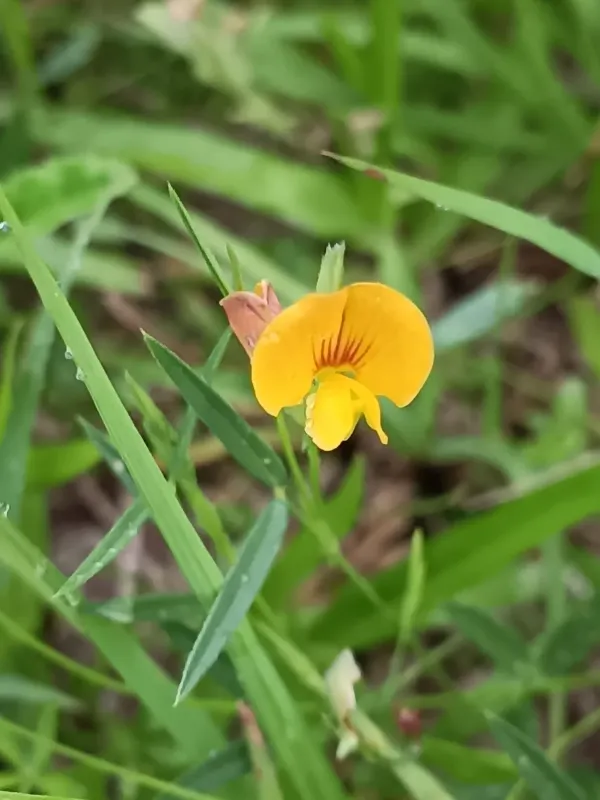
Description
Sowing dates
Zornia gemella is a heat-loving annual or perennial herbaceous plant belonging to the Fabaceae family. In tropical regions, seeding is carried out at the beginning of the rainy season when the soil has warmed up sufficiently, ensuring active germination.
For successful germination, an optimal soil temperature ranges between 20 and 25 degrees Celsius. The seeding depth usually does not exceed 1–2 centimeters, allowing seedlings to reach the surface quickly and begin photosynthesis.
When used as a cover crop or part of pasture mixtures, seeding rates are calculated based on seed purity and viability. Using scarified seeds is recommended to increase the germination percentage in field conditions.
In commercial cultivation, Zornia gemella is often planted in rows, maintaining sufficient spacing to facilitate initial development. The crop demonstrates high growth vigor during early vegetation stages.
It is crucial to avoid sowing when there is a risk of night frosts, as young seedlings are extremely sensitive to cold temperatures. Proper timing ensures the crop establishes a robust root system before the dry season begins.
Growing requirements
Zornia gemella prefers well-drained sandy or loamy soils with moderate acidity. The crop is highly sensitive to waterlogging, necessitating proper drainage or land preparation on heavy clay soils.
The plant shows high adaptability to nutrient-poor soils due to its ability to form symbiotic relationships with nitrogen-fixing nodule bacteria. This allows for successful growth even with minimal mineral fertilizer application.
The optimal climate for Zornia consists of tropical and subtropical zones with a distinct growing season. While the crop possesses moderate drought tolerance, regular rainfall is required to achieve maximum vegetative biomass.
The plant is heliophilic (sun-loving) and does not tolerate shading by taller crops. In agronomy, it is essential to ensure an open environment for effective biomass accumulation and efficient photosynthesis.
- Optimal pH level: 5.5–7.0
- Sunlight requirement: High
- Sensitivity to salinity: Low
Yield
The primary agricultural use of Zornia gemella is the production of green fodder, which is notable for its high protein content. It is a valuable source of balanced nutrition for ruminant livestock.
The yield of green biomass depends directly on soil fertility and irrigation management. Under favorable conditions, the crop can be harvested multiple times per season due to its rapid regrowth after cutting.
Seed productivity is a critical metric for seed-producing farms. To obtain high-quality seeds, monitoring the maturity of the pods is necessary, as they are prone to shattering if left too long in the field.
Incorporating Zornia into pasture systems significantly improves the nutritional value of livestock diets. Animals readily consume the crop both fresh and as processed hay.
Beyond its forage value, Zornia gemella is used as a green manure crop. Its extensive root system contributes to soil structure improvement and the accumulation of organic nitrogen in upper soil horizons.
Main diseases and pests
The main threats to Zornia crops are fungal diseases that thrive in high humidity. Leaf spot diseases can reduce photosynthetic area and decrease total crop yield.
Pests such as weevils and various caterpillar species can damage the plant's reproductive organs. In cases of heavy infestation, integrated pest management including biological controls is recommended.
Competition from weeds is a critical factor during the first weeks of Zornia's life. Failure to manage weeds early in the season leads to a sharp reduction in plant stand density.
Root-knot nematodes can also cause significant damage in regions with high soil pest populations. Crop rotation with non-susceptible species remains the best preventative measure.
To manage diseases, it is recommended to maintain proper irrigation and ensure good aeration within the field. Selecting resistant populations is key to maintaining stable yields in high-risk environments.
Harvesting
Harvesting for green fodder is performed during the active flowering phase, when nutrient concentration in the aerial parts reaches its peak. At this stage, the leaf-to-stem ratio is most favorable for livestock consumption.
When preparing hay, ensuring even drying of the mown mass is essential. Prolonged exposure to direct sunlight may reduce carotenoid and vitamin levels, so gentle drying methods are preferred.
For seed production, harvesting begins when most pods turn dark but before they dry out completely and shatter. Mechanized harvesting requires precise combine settings to minimize seed loss during the threshing process.
Stored seeds should be kept in dry, well-ventilated facilities with controlled humidity to prevent mold and maintain high germination vigor for subsequent planting cycles.
After harvest, the remaining root systems of Zornia contribute to nitrogen enrichment, making it an excellent predecessor for subsequent cereal crops. Best practices include incorporating crop residues into the soil to improve long-term fertility.