
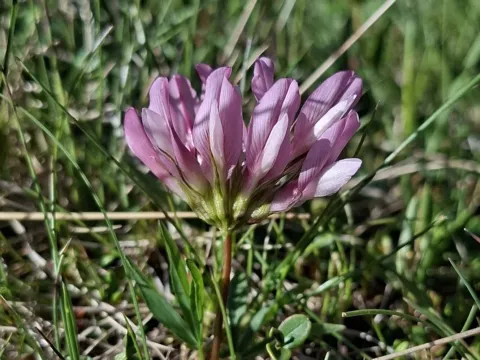
Alpine clover
Trifolium alpinum
Alpine clover (Trifolium alpinum) is a member of the Fabaceae family. It is a hardy, long-lived perennial herbaceous plant that is native to the subalpine and alpine regions of Europe.
What the section contains
Alpine clover
In agricultural settings, sowing is typically performed in early spring when the soil temperature consistently reaches 6–8 degrees Celsius. Proper seedbed preparation is vital for ensuring even germination.
The recommended seeding rate is approximately 12–15 kg per hectare for pure stands. Because the seeds have a very hard coat, mechanical or chemical scarification is necessary before planting to ensure successful emergence.
Seeds should be drilled at a shallow depth of 1.5 to 2 cm. Maintaining a row spacing of about 15 cm allows for optimal aeration and light penetration as the plants develop.
Since the species exhibits slow growth during the establishment phase, fields must be monitored for weed competition. It is frequently included in mixtures with vigorous grasses to increase overall stand density.
Alpine clover thrives in cooler, temperate climates but prefers sunny, exposed sites. It does not tolerate shading from taller vegetation or buildings, as direct sunlight is crucial for its development.
The plant requires well-drained, fertile soils with a neutral or slightly acidic pH. It performs poorly in waterlogged soils, where the root system may become prone to decay and fungal infections.
Its natural mountain origins make it exceptionally cold-hardy, allowing it to withstand harsh winters and significant temperature fluctuations. It remains resilient under various climatic conditions.
Nutrient requirements include adequate levels of phosphorus and potassium. As a legume, it forms a symbiotic relationship with Rhizobium bacteria, which helps fix atmospheric nitrogen in the soil.
Liming is necessary if the soil is overly acidic, as this improves the microbial environment for nitrogen fixation. Regular monitoring of soil nutrients is advised for sustained long-term yields.
The yield of green forage is determined by site conditions and the intensity of management. Under optimal agricultural conditions, the crop can provide two full cuts per growing season.
Alpine clover is highly valued for its nutritional profile, particularly its high protein and mineral content. It serves as an excellent ingredient for high-quality silage or sun-dried hay.
The plant's deep, robust root system helps improve soil structure and prevent erosion. This makes it a beneficial crop for long-term land development in mountainous or hilly terrain.
With proper management, a stand of Alpine clover can maintain productivity for 5 to 7 years. Once the stand begins to decline, the field should be re-sown to maintain forage quality.
Irrigation can significantly boost yield in areas prone to seasonal droughts, ensuring the plant remains productive throughout the summer months and providing a reliable food source for livestock.
The most common threats to the crop include fungal pathogens such as anthracnose, powdery mildew, and leaf spot diseases. These often thrive in humid conditions and dense, poorly ventilated stands.
Insect pests, including clover weevils and aphids, can cause significant damage to the foliage and reproductive structures, leading to reduced forage yield and lower seed quality.
Effective management requires strict crop rotation practices. Avoiding the consecutive planting of legumes in the same plot helps break the life cycles of specific soil-borne pathogens.
Weed management and the selection of disease-resistant varieties are the primary methods for prevention. Pesticides should only be used as a last resort when the economic threshold is met.
Ensuring adequate soil drainage is the best defense against root rot. A vigorous, well-managed crop is generally more resistant to infestations and disease pressure compared to stressed plants.
Harvesting for hay should ideally occur at the onset of flowering. This stage provides the best balance between total dry matter production and the concentration of vital nutrients in the leaves.
When used for grazing, rotational management is essential. Allowing the clover to recover after grazing ensures that the plant maintains its vigor and produces high-quality biomass throughout the season.
Hay processing requires gentle handling to prevent leaf loss, as the protein-rich leaves are the most valuable part of the plant. Proper drying in swaths is necessary to ensure stability.
Seed harvest is conducted when the clover heads turn brown. Timely harvesting is critical to prevent shattering and loss of seeds due to wind or rain before the equipment reaches the field.
Storage of the finished product must occur in a dry, ventilated area. Protecting the forage from moisture and direct sunlight ensures that the color and aromatic qualities remain intact for winter feed.