
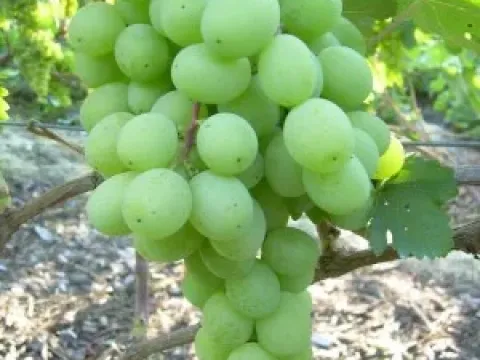
Alexa grape
Alexa
The Alexa grape is an early-maturing table variety. Planting should ideally take place in the spring once the soil temperature reaches +10...+12°C, or in the autumn at least 2–3 weeks before the first hard frosts.
What the section contains


Alexa grape
For spring planting, consistent watering is essential to stimulate the root system development. Preparing the planting holes in advance with organic and mineral fertilizers is highly recommended to encourage rapid rooting.
Autumn planting requires careful protection of the young vines for winter to prevent bud damage from low temperatures. When establishing a vineyard, the optimal spacing between plants should be at least 2 to 2.5 meters.
This variety is characterized by vigorous growth, so trellises should be installed at the time of planting. The vine should be trained and pruned from the first year to ensure proper distribution of vegetative growth.
Climatic conditions determine the growing season, which for this variety lasts an average of 110–120 days from bud break to technical ripeness.
Alexa grapes belong to the Vitaceae family and thrive in sunny locations protected from cold winds. The crop prefers light, fertile loamy or sandy loam soils with a neutral pH level.
The plant has moderate moisture requirements, but irrigation is critical during the active shoot growth and fruit set phases. Stagnant groundwater is extremely detrimental to the root system health.
Favorable temperatures are necessary for proper wood maturation, as a lack of accumulated heat units can lead to reduced winter hardiness. In regions with harsh winters, winter vine protection is essential.
Agricultural management includes regular thinning of shoots and leaves to improve crown airflow. This practice significantly reduces humidity accumulation and the likelihood of fungal pathogen development in the dense foliage.
Balanced fertilization is vital: nitrogen fertilizers should be applied at the beginning of the season, while potassium-phosphorus blends are preferred during fruit development for high-quality yields.
Alexa produces large conical clusters, weighing between 700 and 900 grams in favorable years. The berries are oval, possess a harmonious flavor profile, and feature a dense, firm pulp.
Yield is considered consistently high when correct pruning techniques are applied. A moderate pruning of 6–8 eyes per shoot is recommended, which allows the vine to support an optimal number of fruit-bearing shoots.
Marketable qualities remain high due to the berries' good transportability and resistance to cracking after rainfall. Berries remain firmly attached to the rachis, preventing shattering during harvest and shipping.
To improve fruit quality, inflorescence rationing is often practiced to prevent vine overloading and promote better berry filling. Proper management ensures even coloration and maturation of the clusters.
The sugar content of the berries reaches 17–19%, making the variety suitable for both fresh consumption and culinary use. Fresh clusters can be stored in cool conditions for several weeks.
The variety shows moderate resistance to major fungal diseases such as downy mildew and powdery mildew. During high-humidity seasons, preventative fungicide applications are necessary to ensure plant health.
The main pests include grape mites and the European grapevine moth. Regular inspections of the vines allow for the early detection of damage and the application of biological or chemical control agents.
Wasps often target ripe berries due to their high sugar content, so protective netting for the clusters is highly recommended. This strategy minimizes harvest losses and prevents decay spread via damaged skins.
Adhering to general viticulture standards, such as timely pruning and weed control, is a key factor in disease management. A clean vineyard environment significantly lowers the overall pathogen pressure.
- Prevention of downy mildew using copper-based sprays.
- Pest management using pheromone traps.
- Timely sanitary pruning of diseased shoots.
The harvest period for Alexa grapes occurs in mid-August or early September, depending on the growing region. Waiting for full sugar development is crucial to ensure the best varietal aroma and taste.
Harvesting should be done in dry weather using sharp pruning shears. This minimizes berry damage and ensures the clusters maintain their attractive appearance after removal from the vine.
Post-harvest inspection of the vines is essential to identify any damage and prepare the plant for its dormancy period. The harvest should be completed before the first autumn frosts arrive.
Collected grapes should be stored in single layers in boxes in a cool, well-ventilated area. It is important to prevent direct sunlight from reaching the harvested clusters during transit.
All harvest debris must be cleared to prevent the spread of infections and to avoid attracting pests to the vineyard at the end of the season.